How Can Adopting a Vegetarian Diet Help With Weight Loss and Healthy Dieting?
Adopting a vegetarian diet can help with weight loss and healthy dieting by reducing calorie intake, increasing fiber consumption, and promoting the intake of nutrient-dense foods like fruits, vegetables, whole grains, and legumes. Research shows vegetarians often have a lower body mass index (BMI) and reduced risk of obesity-related conditions compared to omnivores.
—
What Is a Vegetarian Diet?
A **vegetarian diet** focuses on eating plant-based foods and avoiding meat, poultry, and fish. Some vegetarians skip eggs and dairy, while others still consume these products. Common types include:
– **Lacto-vegetarian**: Includes dairy but not eggs, meat, or fish.
– **Ovo-vegetarian**: Includes eggs but not dairy, meat, or fish.
– **Lacto-ovo vegetarian**: Includes both eggs and dairy, but not meat or fish.
– **Vegan**: Excludes all animal products.
> **Definition Box:**
> **Vegetarian Diet**: A dietary pattern centered on plant-based foods and limited or zero animal flesh consumption.
—
Why Does a Vegetarian Diet Support Weight Loss?
How Does Cutting Out Meat Affect Calorie Intake?
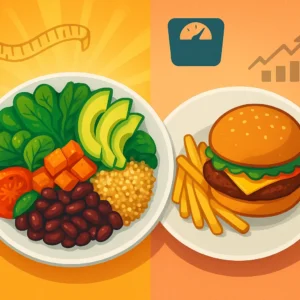
Plant-based foods tend to be lower in calories and fat compared to animal products, especially red meat and processed meat. By swapping these for vegetables, whole grains, and legumes, you consume fewer calories and more filling fiber, which can naturally lead to weight loss.
What Foods Promote Satiety and Reduced Calorie Consumption?
High-fiber foods like beans, lentils, whole grains, and vegetables increase satiety, helping you feel fuller longer.
Foods Often Included in Vegetarian Diets That Aid Weight Loss:
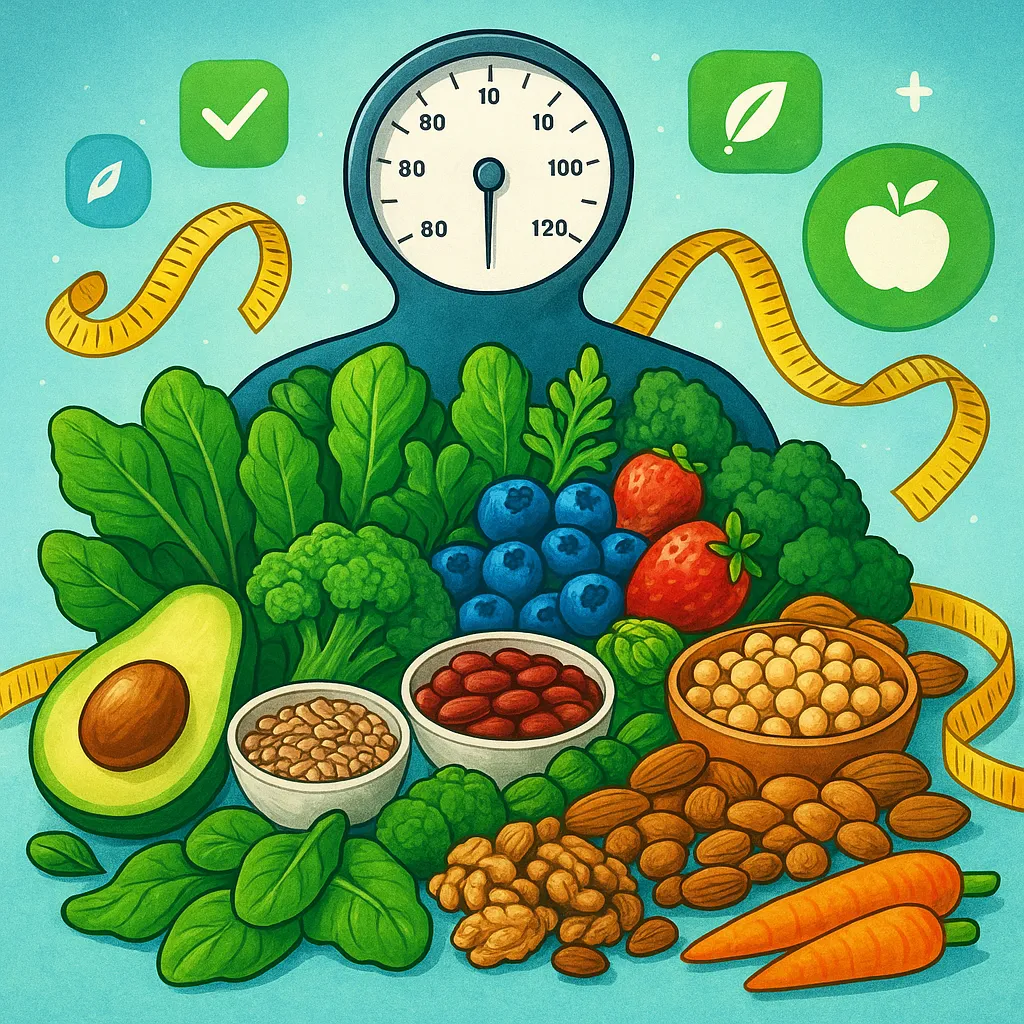
– **Leafy greens** (e.g., spinach, kale)
– **Legumes** (beans, lentils, chickpeas)
– **Whole grains** (brown rice, quinoa, oats)
– **Cruciferous vegetables** (broccoli, cauliflower)
– **Nuts and seeds** (in moderation)
These foods lead to stable blood sugar, preventing unwanted cravings and hunger spikes.
—
What Are the Main Benefits of a Vegetarian Diet Beyond Weight Loss?
Adopting a vegetarian diet not only assists with weight loss but also:
– Lowers cholesterol and improves heart health
– Reduces risk of diabetes and hypertension
– Promotes better gut health with higher fiber
– Encourages diversity in plant-based nutrients and antioxidants
> **Table: Key Benefits of Vegetarian Diet**
| Benefit | Description |
|———————-|—————————————————————-|
| Lower Calories | Plant foods lower in calories than meat |
| More Fiber | Boosts fullness and digestive health |
| Heart Health | Reduces saturated fat intake, lowering cholesterol |
| Blood Sugar Control | Slow-digesting carbs prevent spikes and dips |
| Nutrient Diversity | Increased vitamins, minerals, and antioxidants |
—
What Are the Key Mechanisms for Weight Loss on a Vegetarian Diet?
1. Higher Fiber Intake
Dietary fiber increases satiety, supports regular digestion, and helps control appetite by slowing absorption of sugars and fats.
2. Lower Energy Density
Vegetarian diets are rich in foods with low “energy density” (few calories per gram), allowing larger portion sizes that keep you satisfied with fewer calories.
3. Improved Gut Microbiome
A plant-centric diet nourishes beneficial gut bacteria, which may support healthy metabolism and weight management.
4. Conscious Eating Habits
Vegetarianism may encourage more mindful eating and food choices, reducing calorie-dense, highly processed foods.
—
Are There Risks or Downsides to Consider?
Most people can thrive on a vegetarian diet with proper planning. However, be mindful of:
– **Protein intake:** Choose legumes, tofu, tempeh, and dairy or eggs for sufficient protein.
– **Vitamin B12:** Supplement or include fortified foods if avoiding animal products.
– **Iron and zinc:** Eat a variety of plant sources (e.g., lentils, pumpkin seeds) and pair with vitamin C-rich foods for better absorption.
—
What Are Healthy Ways to Start a Vegetarian Diet for Weight Loss?
Step-By-Step Guide
1. **Gradually reduce animal products**: Start with “meatless Mondays” or replace one meal per day.
2. **Prioritize whole, minimally processed foods**: Limit processed vegetarian snacks.
3. **Balance macronutrients**: Combine complex carbs, plant proteins, and healthy fats.
4. **Try new recipes**: Experiment with global vegetarian cuisine for variety.
—
How Does a Vegetarian Diet Compare to Other Diets for Weight Loss?
Research shows that vegetarian and plant-based diets are equally or more effective for weight loss than conventional calorie-restricted omnivore diets. For long-term health, vegetarian diets are associated with reduced rates of obesity, metabolic syndrome, and cardiovascular diseases.
| Diet Type | Weight Loss Effectiveness | Health Benefits |
|——————|——————————-|——————————-|
| Vegetarian | High | Heart & metabolic health |
| Vegan | High | Weight loss, cholesterol |
| Mediterranean | Moderate | Heart health |
| Keto | Short-term high | May raise cholesterol |
| Standard Western | Low | Higher risk of obesity |
—
Commonly Asked Questions About Vegetarian Diets and Weight Loss
FAQ
1. **Can I lose weight quickly on a vegetarian diet?**
Weight loss speed varies by individual, but most people lose about 1-2 pounds per week adopting a balanced vegetarian diet, especially when combined with physical activity.
2. **How can I get enough protein as a vegetarian?**
Plant-based sources like legumes, lentils, tofu, tempeh, quinoa, eggs (if allowed), and dairy provide ample protein for most needs.
3. **Are there vegetarian foods I should avoid for healthy weight loss?**
Limit fried foods, high-fat dairy, sugary beverages, and processed “junk” food like chips and pastries—even if plant-based.
4. **Do I need to count calories on a vegetarian diet to lose weight?**
Not necessarily; focusing on whole, fiber-rich foods usually supports natural calorie control, but tracking can be helpful for some.
5. **What if I crave meat while transitioning to a vegetarian diet?**
Substitute with plant-based proteins, use seasonings/flavors you enjoy, and try meat alternatives if needed.
6. **Is a vegetarian diet safe for older adults or children?**
Yes, with good planning for nutrients like protein, iron, calcium, B12, and omega-3s. Consult a registered dietitian for personalized guidance.
7. **How do I avoid boredom eating vegetarian?**
Experiment with global cuisines (Indian, Mediterranean, Asian), and try new vegetables and recipes regularly.
—
Summary: Should You Try a Vegetarian Diet for Weight Loss?
If your goal is healthy, sustainable weight loss, adopting a vegetarian diet provides a science-backed path by emphasizing low-calorie, high-fiber foods that keep you full and reduce the urge to overeat. This dietary pattern also delivers major health benefits, including better heart health and lower risk of chronic conditions.
Before making major dietary changes, especially if you have health conditions, consult a healthcare professional or registered dietitian. Start small, plan balanced meals, and enjoy the wide variety of plant-based foods available to you.
—
> **Quick Facts: Vegetarian Diet for Weight Loss**
>
> – Lower average BMI compared to meat-eaters
> – High in filling fiber; low in unhealthy fats
> – Linked to reduced risk of obesity, heart disease, and diabetes
> – Supports sustainable, enjoyable long-term healthy eating
—
**Explore more:**
– [Plant-based protein sources](https://www.hsph.harvard.edu/nutritionsource/what-should-you-eat/protein/)
– [Vegetarian meal planning tips](https://www.eatright.org/health/lifestyle/culture-and-traditions/vegetarian-diet-for-children)
“`