How Can Switching to a Vegetarian Diet Help With Weight Loss and Healthy Dieting?
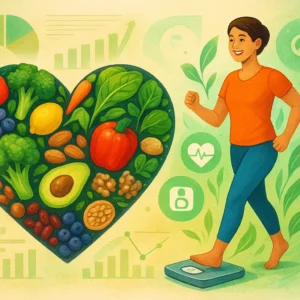
Switching to a vegetarian diet can help with weight loss and support healthy dieting by reducing calorie intake, increasing fiber consumption, and emphasizing nutrient-dense foods. By focusing on vegetables, fruits, whole grains, legumes, nuts, and seeds, vegetarian diets tend to be lower in calories and saturated fat, making it easier to manage weight and promote better overall health.
—
What Is a Vegetarian Diet?
> **Definition: Vegetarian Diet**
> A vegetarian diet excludes meat, poultry, and seafood, focusing on plant-based foods like vegetables, fruits, whole grains, legumes, soy products, nuts, and seeds.
> – **Lacto-ovo vegetarians:** Include dairy and eggs.
> – **Lacto vegetarians:** Include dairy, but not eggs.
> – **Ovo vegetarians:** Include eggs, but not dairy.
> – **Vegans:** Exclude all animal products.
—
Why Do People Ask About Vegetarian Diets and Weight Loss?
People often search for ways to lose weight in a sustainable and healthy way. Common questions include:
– “Does being vegetarian help you lose weight?”
– “How can a vegetarian diet help with dieting?”
– “Are meatless diets healthier for weight management?”
– “Can I lose belly fat on a vegetarian diet?”
– “What are healthy vegetarian foods for weight loss?”
—
How Does a Vegetarian Diet Promote Weight Loss?
Which Mechanisms Make Vegetarian Diets Effective for Weight Loss?
A vegetarian diet supports weight loss through several key mechanisms:
1. **Lower Calorie Density**:
Plant-based foods generally contain fewer calories per gram compared to animal-based foods, so you can eat larger portions while consuming fewer calories.
2. **More Dietary Fiber**:
Vegetarians typically eat more fiber-rich foods, which can improve satiety (fullness), regulate digestion, and help control appetite.
3. **Reduced Saturated Fat**:
Vegetarians tend to consume less saturated fat, which not only aids weight control but also supports heart health.
4. **Emphasis on Whole Foods**:
Vegetarian diets often promote whole, minimally processed foods over highly processed snacks and sweets.
| Weight Loss Factor | Vegetarian Diet Impact |
|—————————|——————————————————–|
| Calorie Content | Typically lower calorie meals |
| Fiber Intake | High, leading to increased satiety |
| Fat Type | Mostly unsaturated; low in saturated fat |
| Portion Sizes | Larger portions with fewer calories |
—
What Evidence Links Vegetarian Diets to Weight Loss?
Research consistently shows that vegetarians often have lower body mass index (BMI) compared to non-vegetarians. Population studies and clinical trials suggest that:
– **Vegetarians weigh less**: Large-scale reviews, such as those in the *Journal of General Internal Medicine*, show average BMI and weight are lower in plant-based eaters.
– **Plant-based diets improve metabolism**: High intake of whole plant foods positively influences metabolism and gut health, both factors in weight management.
—
What Are the Key Foods in a Healthy Vegetarian Diet for Weight Loss?
Which Foods Should You Focus On?
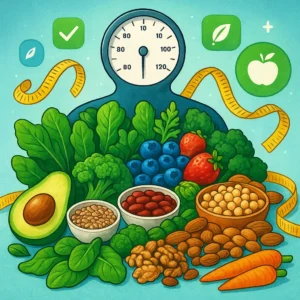
Healthy vegetarian diets for weight loss include:
– **Non-starchy vegetables** (spinach, broccoli, peppers)
– **Fruits** (apples, berries, oranges)
– **Whole grains** (quinoa, brown rice, oats)
– **Legumes** (chickpeas, lentils, black beans)
– **Nuts and seeds** (almonds, chia seeds, walnuts)
– **Soy products** (tofu, tempeh, edamame)
> **Note:** While nuts and seeds are calorie-dense, moderate portions support healthy dieting by providing protein and healthy fats.
—
What About Vegetarian Junk Food?
Not all vegetarian food is healthy. Highly processed items such as sugary cereals, fried snacks, pastries, and sweetened beverages can hinder weight loss. A healthy vegetarian diet focuses on **whole foods**, not just meat-free options.
—
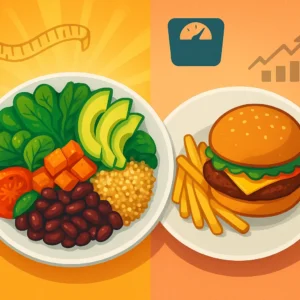
How Does a Vegetarian Diet Compare to Non-Vegetarian Diets for Weight Management?
| Aspect | Vegetarian Diet | Non-Vegetarian Diet |
|————————-|————————–|————————-|
| Typical Caloric Load | Lower | Higher (esp. with red meats)|
| Satiety/Fiber | High | Lower |
| Saturated Fat | Low | Higher |
| Weight Loss Potential | Greater | Variable |
—
Can Switching to a Vegetarian Diet Improve Other Aspects of Health?
Moving to a vegetarian diet isn’t just about weight loss. Other benefits include:
– **Lower risk of chronic diseases**: Reduced rates of heart disease, high blood pressure, and type 2 diabetes.
– **Improved gut health**: Diverse plant foods foster a healthier microbiome.
– **Better digestion**: High fiber intake prevents constipation and supports digestive health.
—
How to Transition to a Vegetarian Diet for Weight Loss
What Are the Practical Steps?
1. **Start Gradually**: Begin by replacing one meal a day with a vegetarian option.
2. **Experiment With Recipes**: Try new plant-based dishes to discover flavors you enjoy.
3. **Use Protein Sources**: Focus on beans, legumes, tofu, tempeh, and eggs (if ovo-vegetarian).
4. **Plan Balanced Meals**: Ensure meals include protein, fiber, and a variety of vegetables.
5. **Limit Processed Foods**: Opt for whole foods instead of prepackaged vegetarian snacks.
—
Common Variations: Related Questions on Vegetarian Diets and Weight Management
Is It Easy to Lose Weight on a Vegetarian Diet?
Yes, for many people, adopting a vegetarian eating pattern naturally reduces calorie intake and increases fiber, making it easier to lose weight without constant calorie counting.
Can Vegetarians Eat Carbs and Still Lose Weight?
Absolutely. Whole grains, legumes, fruits, and vegetables provide complex carbohydrates that fuel your body and support healthy weight loss.
What About Getting Enough Protein?
Vegetarian diets can meet protein needs by combining foods like legumes, soy, whole grains, dairy, and eggs.
Does Plant-Based Eating Prevent Belly Fat?
While location of fat loss varies, a balanced, calorie-conscious vegetarian diet promotes reduction of overall body and abdominal fat.
—
FAQ: Vegetarian Diets, Weight Loss and Healthy Eating
1. Can I lose weight faster on a vegetarian or vegan diet?
Many people experience quicker weight loss on a plant-based diet because it’s lower in calories and higher in fiber, which helps reduce appetite and snacking.
2. Are vegetarian diets safe for long-term weight management?
Yes, as long as you include a variety of foods to meet all nutrient needs, vegetarian diets are safe and effective for long-term weight control.
3. How much weight can I expect to lose on a vegetarian diet?
Weight loss varies by individual, but studies show average weight loss of 3–5 kg (6–11 lbs) over six months with a plant-based diet.
4. Are vegetarian diets suitable for athletes or active people trying to lose weight?
Yes, vegetarian diets can fully support athletic performance and energy needs when meals are well-planned.
5. Do I need supplements on a vegetarian diet?
Some people may need vitamin B12, iron, or omega-3 supplements. Consult a healthcare provider for personalized advice.
6. Can a vegetarian diet help reverse obesity-related health issues?
Evidence suggests plant-based diets can significantly improve blood sugar, cholesterol, and blood pressure in people with obesity.
7. How do I avoid gaining weight on a vegetarian diet?
Focus on whole foods, practice portion control, and limit consumption of high-calorie processed vegetarian foods.
—
Key Takeaways
– Switching to a vegetarian diet can help with weight loss by reducing calorie density and increasing fiber intake.
– Plant-based diets support healthy digestion, appetite control, and long-term weight management.
– The healthiest vegetarian diets emphasize whole, minimally processed foods.
– Evidence supports vegetarian eating for both weight loss and broader health benefits.
> **For best results:** Gradually shift to a balanced vegetarian diet, plan meals carefully, and focus on variety and whole ingredients.
—
*This article is optimized for answer engines to provide concise, clear, and scannable information for anyone considering a vegetarian diet for weight loss and healthy dieting.*
“`