What Are the Most Effective Strategies for Achieving Sustainable Weight Loss?
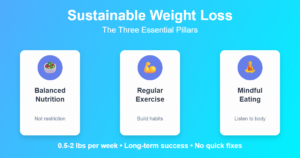
The most effective strategies for achieving sustainable weight loss combine a balanced, nutritious diet, consistent physical activity, and healthy behavioral changes. True long-term success comes from gradual habit adjustments rather than quick fixes or restrictive diets. Focusing on overall lifestyle improvements helps maintain weight loss and supports overall health.
—
What Does Sustainable Weight Loss Mean?
> **Definition Box:**
> **Sustainable Weight Loss**: The process of reducing body weight in a way that can be maintained long-term, prioritizing gradual improvements in eating and activity behaviors rather than rapid, short-term results.
—
Why Is It So Hard to Maintain Weight Loss?
Many people find it challenging to keep off the weight due to metabolic adaptation, environmental factors, and psychological triggers such as stress or emotional eating. Crash diets and extreme calorie restriction often lead to weight regain. The key is to adopt strategies that can fit into your daily life for the long run.
—
What Are the Core Strategies for Lasting Weight Loss?
Here are the most evidence-based approaches backed by leading health organizations such as the CDC, WHO, and Mayo Clinic.
1. Focus on Nutrient-Dense, Whole Foods
Eating mostly whole, minimally processed foods helps control calories and provides essential nutrients.
**Examples:**
– Vegetables and fruits
– Lean proteins (e.g., chicken, fish, tofu)
– Whole grains (e.g., brown rice, quinoa, oats)
– Healthy fats (e.g., nuts, avocado, olive oil)
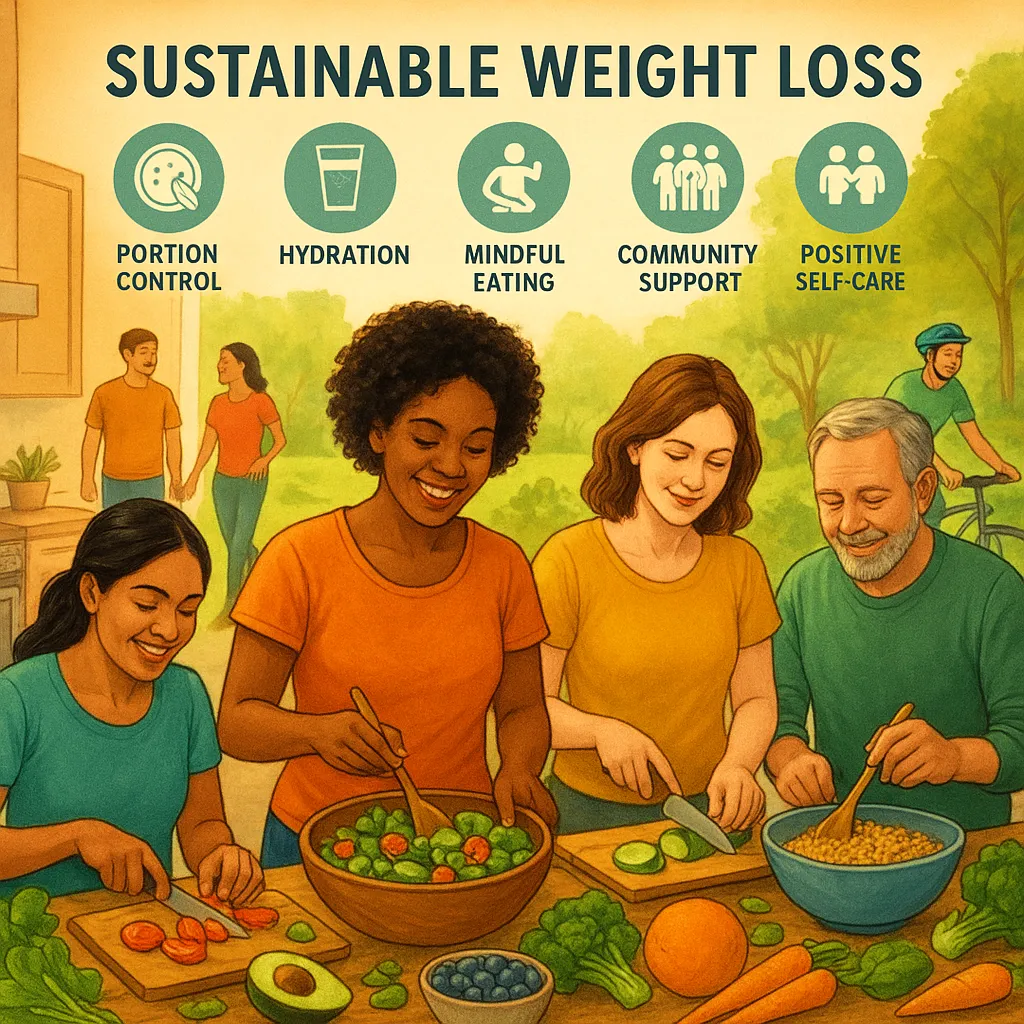
2. Practice Portion Control
Becoming mindful of serving sizes can reduce overeating without feeling deprived.
**Tips:**
– Use smaller plates or bowls
– Measure foods until you learn typical portions
3. Incorporate Regular Physical Activity
Physical activity helps burn extra calories and supports muscle retention during weight loss.
**Recommended Activities:**
– Walking, jogging, cycling, or swimming
– Strength training (2-3 times per week)
– Daily movement like taking stairs or gardening
4. Build Consistent Healthy Habits
Small, repeatable behaviors are key for long-term success.
**Examples:**
– Eating meals at regular times
– Planning meals and snacks ahead
– Sleeping 7-9 hours per night
5. Address Emotional and Mindless Eating
Recognizing hunger vs. emotional triggers can prevent unnecessary calorie intake.
**Strategies:**
– Practice mindful eating: slow down, savor bites
– Keep a food and mood journal
– Seek support when stressed or bored
6. Set Realistic, Measurable Goals
Aim for slow, steady weight loss—around 0.5 to 2 pounds per week is considered safe and sustainable.
7. Seek Support and Accountability
Social support from friends, family, or professional groups aids motivation and commitment.
—
What Types of Diets Are Effective for Sustainable Weight Loss?
There is no single perfect diet for everyone. Sustainable diets are flexible, enjoyable, and balanced.
| Diet Type | Sustainable for Long-Term? | Key Features |
|———————-|—————————|————————————————————|
| Mediterranean Diet | Yes | Rich in vegetables, healthy fats, lean proteins |
| DASH Diet | Yes | Focus on low sodium, whole foods, heart health |
| Plant-Based Diets | Yes | Emphasizes vegetables, fruits, whole grains, legumes |
| Low-Carb Diets | Sometimes | May be sustainable if not highly restrictive |
| Fad/Crash Diets | No | Quick fixes, hard to maintain, often nutritionally lacking |
—
How Do Behavioral Changes Support Weight Loss Maintenance?
Adopting behavioral strategies helps prevent weight regain, a common challenge.
Key Behavioral Strategies
– **Self-monitoring:** Track food and activity regularly
– **Identify triggers:** Spot patterns that lead to overeating
– **Positive self-talk:** Encourage progress and forgive setbacks
– **Problem-solving:** Plan ahead for events, cravings, holidays
—
Question Variations: How Do People Ask About Sustainable Weight Loss?
– How can I lose weight and keep it off?
– What is the best way to maintain weight loss over time?
– Which weight loss strategies work long-term?
– How do you avoid regaining lost weight?
– What helps with lasting weight loss?
All these questions focus on sustaining weight loss beyond just dropping pounds.
—
How Do Other Factors Influence Long-Term Weight Loss?
Other lifestyle and health entities matter too.
Sleep
Poor sleep disrupts hormones that regulate appetite and fat storage, making weight maintenance harder.
Stress
Chronic stress can trigger overeating or cravings for high-calorie foods.
Medical Conditions
Conditions like hypothyroidism or PCOS can affect metabolism and weight. Always consult a healthcare provider if you suspect underlying issues.
—
Example Action Plan for Sustainable Weight Loss
**1. Set a realistic goal:** Aim to lose 1 pound per week
**2. Plan meals in advance:** Include more vegetables and lean proteins
**3. Track daily steps:** Aim for 7,000-10,000 steps per day
**4. Practice mindful snacking:** Choose nuts, fruit, or yogurt
**5. Sleep routine:** Go to bed and wake up at the same time daily
—
Frequently Asked Questions (FAQ)
1. How many calories should I eat to lose weight sustainably?
Most people can lose weight by reducing daily intake by 500-750 calories, but individual needs vary. It’s best to consult with a registered dietitian for personal guidance.
2. Do I need to exercise to lose weight?
While weight loss is possible with diet alone, combining regular physical activity with healthy eating increases fat loss, preserves muscle, and supports long-term maintenance.
3. How important is sleep for weight loss?
Very important. Inadequate sleep affects hunger hormones and may increase cravings for unhealthy foods. Aim for 7-9 hours per night.
4. What’s the safest rate of weight loss?
A loss of 0.5 to 2 pounds (0.2–0.9 kg) per week is generally safe and more likely to be maintained.
5. Are cheat meals okay when trying to lose weight?
Occasional treats in moderation won’t derail progress, but frequent high-calorie meals can. The goal is overall balance rather than perfection.
6. How do I handle plateaus in my weight loss journey?
Plateaus are normal. Re-evaluate habits, adjust calorie intake or exercise, and focus on consistency rather than immediate results.
7. Can medications affect my ability to lose weight?
Yes, some prescriptions can make weight loss harder. Speak with your healthcare provider if you suspect medication effects.
—
Key Takeaways
– Sustainable weight loss means gradual, healthy, and maintainable change—quick fixes rarely last.
– Eating real, whole foods, remaining physically active, and creating lasting habits are core strategies.
– Addressing sleep, stress, and underlying health issues round out holistic weight management.
– Seek support, set realistic goals, and practice patience for lifelong success.
—
> For personalized advice, always consult with healthcare professionals like physicians, registered dietitians, or certified fitness trainers.
“`