What are the Most Effective Strategies for Achieving Sustainable Weight Loss?
The most effective strategies for sustainable weight loss focus on gradual lifestyle changes, balanced nutrition, regular physical activity, and strong behavioral habits. Instead of quick fixes or restrictive diets, sustainable weight loss relies on adopting changes you can maintain long-term, supported by evidence-based approaches.
—
What Does “Sustainable Weight Loss” Mean?
> **Sustainable weight loss** refers to losing weight at a healthy, steady pace and keeping it off through lasting changes to eating, exercise, and habits—rather than through short-term diets or extreme measures.
—
How Can I Lose Weight and Keep it Off? (Direct Answers)
If you’re asking how to lose weight and keep it off for good, focus on these core strategies:
– **Adopt a balanced, nutrient-rich diet**
– **Increase physical activity consistently**
– **Track your progress and behaviors**
– **Set realistic, achievable goals**
– **Prioritize sleep and stress management**
Let’s explore each of these and the science behind them.
—
What Are the Most Effective Strategies for Sustainable Weight Loss?
1. What Is a Balanced, Sustainable Diet?
A balanced diet provides the nutrients your body needs while creating a gentle calorie deficit. It includes:
– **Plenty of vegetables and fruits** (fiber-rich, low calorie)
– **Whole grains** (oats, brown rice, quinoa)
– **Lean proteins** (poultry, fish, tofu, legumes)
– **Healthy fats** (avocado, olive oil, nuts)
– **Limiting added sugars and processed foods**
Quick Nutrition Tips
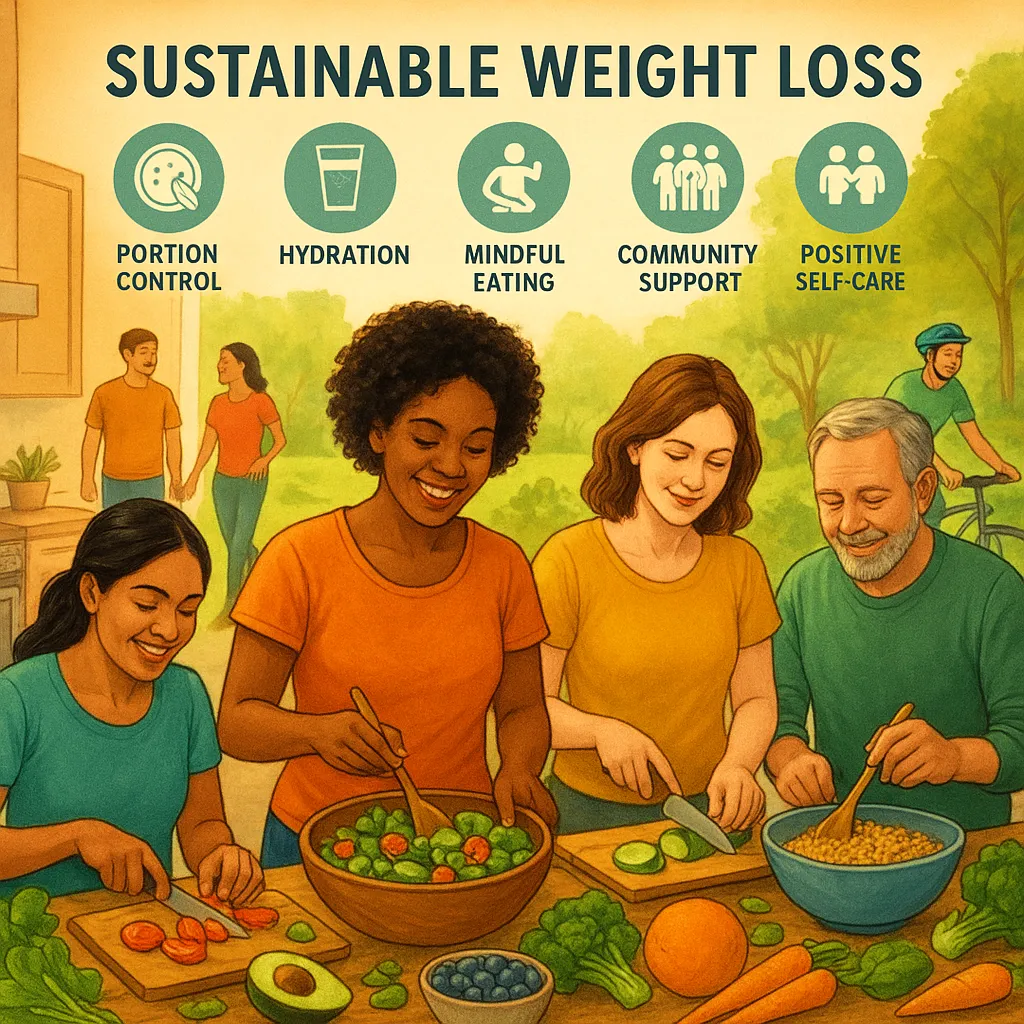
– Watch portion sizes
– Eat mindfully and avoid distractions
– Don’t skip meals—regular patterns prevent overeating
—
2. Why Is Consistent Physical Activity Important?
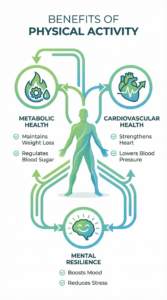
Physical activity supports calorie burn, muscle maintenance, and metabolic health. Official guidelines (CDC, WHO) suggest:
– **At least 150 minutes of moderate-intensity aerobic activity per week**
– **Two or more sessions of strength training per week**
Exercise Ideas
– Walking or cycling
– Swimming
– Resistance training with weights or bands
– Yoga, pilates, or stretching
—
3. How Do Behavioral Habits Support Weight Loss?
Behavioral strategies keep you motivated and accountable. Some proven techniques include:
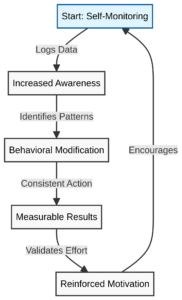
– **Self-monitoring**: Use apps or journals to track food, activity, and weight
– **Setting SMART goals**: Specific, Measurable, Achievable, Relevant, Time-bound
– **Building social support**: Enlist friends or join support groups
– **Planning for setbacks**: Identify challenges and have response strategies
—
4. What Role Do Sleep and Stress Play?
Poor sleep and stress disrupt hormones (like cortisol and ghrelin) that control appetite and fat storage. For better weight management:
– Aim for **7-9 hours of quality sleep nightly**
– Practice stress-reducing activities (breathing exercises, meditation, hobbies)
– Avoid using food as a stress response
—
5. How to Set Realistic Expectations and Track Progress
Setting Goals
– Aim for **0.5-2 pounds (0.2–0.9 kg) of weight loss per week**
– Focus on non-scale victories (energy, mood, fitness levels)
Tracking Progress
| Method | Benefit | Example Tool |
|——————|——————————|———————–|
| Weigh-ins | Tracks weight change | Scale, app log |
| Food Diary | Increases awareness | MyFitnessPal, notebook|
| Activity Tracker | Boosts accountability | Fitbit, Apple Watch |
| Photos/clothing | Visual/motivational feedback | Comparison images |
—
Related Entities and Concepts
Understanding sustainable weight loss also involves:
– **Energy balance** (calories in vs. calories out)
– **Body composition** (fat vs. muscle mass)
– **Metabolic health** (blood sugar, cholesterol, hormones)
– **Dietary patterns** (Mediterranean diet, DASH diet)
These entities interact—nutrient quality influences metabolism, activity affects hunger, and healthy sleep balances appetite.
—
Common Variations of the Main Question
– How can I lose weight and keep it off?
– What are proven long-term weight loss strategies?
– What habits help maintain weight loss?
– How do I avoid regaining lost weight?
– What are the secrets to sustainable fat loss?
—
Summary: Key Steps for Sustainable Weight Loss
1. **Choose nutrient-dense foods and control portions**
2. **Exercise regularly (both cardio and strength)**
3. **Track habits, progress, and challenges**
4. **Prioritize sleep and manage stress**
5. **Stay consistent and adjust as needed**
Making incremental, manageable adjustments leads to lasting progress.
—
Sustainable Weight Loss: Do’s and Don’ts Table
| Do | Don’t |
|—————————————-|————————————–|
| Eat a variety of whole foods | Rely on crash or fad diets |
| Find enjoyable physical activities | Over-exercise or under-eat |
| Practice patience and persistence | Expect instant results |
| Seek support from friends/family | Go it alone if struggling |
| Celebrate non-scale victories | Fixate only on weight numbers |
—
Frequently Asked Questions (FAQ)
1. How fast should I expect to lose weight sustainably?
Healthy, lasting weight loss is about **0.5-2 pounds (0.2–0.9 kg) per week**. Going slower is better than rapid loss that often leads to regain.
2. Do I need to cut out all carbs or fats?
No, your body needs both carbohydrates and fats for health. Focus on high-quality sources (whole grains, healthy oils) rather than eliminating whole food groups.
3. Can I lose weight without exercise?
Weight loss is possible through dietary changes alone, but **exercise helps maintain muscle, boosts metabolism, and improves overall health**.
4. Why do I regain weight after dieting?
Restrictive diets are often unsustainable. Regain happens when old habits return. Sustainable loss comes from permanent habit change, not short-term plans.
5. Are weight loss supplements necessary?
Most supplements offer little benefit and carry risks. **A healthy diet, activity, and habits are the foundation**—supplements are rarely needed.
6. How important is meal timing for weight loss?
Meal timing (e.g., intermittent fasting) may help some people with hunger or calorie control, but total daily intake matters most for weight loss.
7. What if I have a weight loss plateau?
Plateaus are normal. Try adjusting your food intake, varying workouts, or reviewing your sleep and stress. **Consistency** and patience are key.
—
In Summary
**Sustainable weight loss** is achieved by making gradual, enjoyable, and lasting lifestyle changes. Focus on balanced nutrition, regular exercise, positive habits, and a supportive environment, while managing sleep and stress. Avoid short-term solutions and instead aim for steady progress towards a healthier, more energetic you.
—
“`