What Are the Best Strategies for Achieving Sustainable Weight Loss Without Strict Dieting?
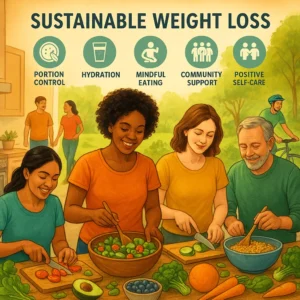
The most effective strategies for sustainable weight loss without strict dieting focus on gradual, lifelong habits—like mindful eating, portion control, regular movement, and eating nutrient-dense foods—rather than strict calorie restrictions. These approaches are easier to maintain, support long-term health, and reduce the tendency to regain lost weight.
—
What Does “Sustainable Weight Loss” Mean?
> **Definition:**
> Sustainable weight loss refers to losing weight at a gradual, manageable pace and adopting healthy behaviors that you can maintain for life, rather than relying on temporary, restrictive diets.
Entities: *Healthy behaviors, Balanced nutrition, Physical activity, Mindful habits*
—
How Can You Lose Weight Without Strict Diets?
Many people want to know, “How can I lose weight without following a rigid diet plan?” or “Is there a way to slim down without counting every calorie?” The answer lies in making realistic, lasting lifestyle changes that don’t require constant willpower.
1. Practice Mindful Eating
Awareness of what and how you eat can help you make better food choices and avoid overeating.
– Eat slowly and savor meals.
– Pay attention to hunger and fullness cues.
– Avoid distractions like TV or phones during meals.
2. Focus on Portion Control
Learning appropriate serving sizes reduces calorie intake without cutting out favorite foods.
**Example Table: Portion Size Guide**
| Food Group | Serving Size Example |
| ————– | ————————————- |
| Protein | Palm of hand (meat, fish, tofu) |
| Carbohydrates | Cupped hand (rice, pasta, grains) |
| Vegetables | Two fists (non-starchy vegetables) |
| Fats | Thumb (butter, oil, spreads) |
3. Prioritize Nutrient-Dense Foods
Eat meals centered on whole, minimally processed foods.
– Include plenty of vegetables, fruits, whole grains, healthy fats, and lean proteins.
– Limit foods high in added sugar, sodium, and unhealthy fats.
4. Build Consistent Physical Activity
Physical activity helps you burn calories and build muscle, aiding sustainable weight maintenance.
– Aim for at least 150 minutes of moderate exercise per week (e.g., brisk walking, cycling, swimming).
– Incorporate strength training 2-3 times a week.
5. Set Realistic, Small Goals
Break larger weight loss goals into manageable steps to stay motivated and track progress.
– Example: Aim to lose 1-2 pounds per week.
– Celebrate non-scale victories, like improved energy or better sleep.
—
Why Avoid Strict Dieting for Long-Term Success?
Strict diets often lead to rapid, short-term weight loss, but most people find them hard to sustain. This can lead to weight cycling (yo-yo dieting), feelings of deprivation, and negative impacts on metabolism.
– **Flexibility and enjoyment:** Sustainable strategies promote better relationships with food.
– **Better mental health:** Less stress and guilt around eating.
– **Reduced risk of regaining weight:** Habits are easier to stick with long-term.
—
What Are Some Healthy Habits for Sustainable Weight Loss?
People often rephrase the topic as “What daily habits help with healthy weight loss?” or “What lifestyle changes make weight loss last longer?”
**Key Habits:**
– Cook more meals at home using fresh ingredients.
– Hydrate with water instead of sugary drinks.
– Eat regular meals and snacks to prevent extreme hunger.
– Get enough sleep (7-9 hours per night).
– Manage stress through meditation, hobbies, or social support.
—
How Does Mindset Impact Sustainable Weight Loss?
Your mindset and relationship with food play a central role in maintaining healthy changes.
– Practice self-compassion and patience.
– Reframe setbacks as learning experiences.
– Focus on health gains, not just the scale.
—
Can You Lose Weight Without Exercising?
While movement supports sustainable weight management, it’s possible to lose weight by focusing first on healthy eating and mindful habits. However, adding regular activity boosts your results and overall well-being.
– Start small: Short walks count!
– Try different activities to keep things interesting—dancing, gardening, yoga.
—
Related Concepts and Context
– **Intuitive Eating:** Eating in response to internal hunger cues rather than external rules.
– **Non-Scale Victories:** Improvements unrelated to weight, like clothes fitting better or more stamina.
– **Metabolism:** Influenced by age, genetics, and lean muscle mass.
– **Behavior Change:** Lasting weight loss comes from adapting behaviors over time.
—
FAQ: Sustainable Weight Loss Without Strict Dieting
**1. What is the safest way to lose weight gradually?**
The safest way includes eating balanced meals, staying active, drinking plenty of water, and aiming for slow, steady progress (1-2 pounds per week).
**2. How do I stop emotional or stress eating?**
Identify emotional triggers, practice mindful eating, and develop other coping strategies like walking, journaling, or talking to a friend.
**3. Can I eat my favorite foods and still lose weight?**
Yes! Enjoy treats in moderation by focusing on reasonable portions and balancing them with nutrient-rich meals.
**4. Is meal planning helpful for weight loss without diets?**
Meal planning helps you make healthier choices, reduces the likelihood of impulse eating, and simplifies shopping and cooking.
**5. How important is hydration in weight loss?**
Drinking water supports metabolism, helps control hunger, and replaces high-calorie beverages, all aiding weight loss.
**6. Will skipping meals help me lose weight faster?**
Skipping meals can slow metabolism, cause overeating later, and reduce energy. Regular, balanced meals are better for sustained loss.
**7. How can I stay motivated during my weight loss journey?**
Set small, achievable goals, track non-scale progress, reward yourself for milestones, and seek support from friends or groups.
—
Key Takeaways
– Sustainable weight loss is possible without strict diets by building lifelong healthy habits around food, activity, and self-care.
– Gradual changes and flexible approaches help you stick with your goals long-term.
– Focusing on overall wellness—not perfection—leads to lasting results.
—
**Related Entities:**
Mindful eating, Portion sizes, Whole foods, Nutrient density, Physical activity, Weight maintenance, Intuitive eating, Metabolism, Behavior change, Stress management, Hydration, Meal planning.
**Sources:**
Centers for Disease Control and Prevention (CDC), Harvard T.H. Chan School of Public Health, National Institutes of Health (NIH).
“`