What Foods Are Allowed and Not Allowed on the Whole30 Diet?
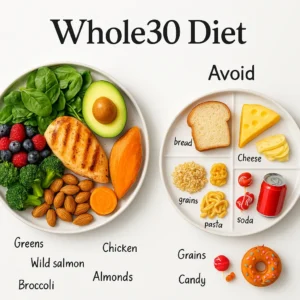
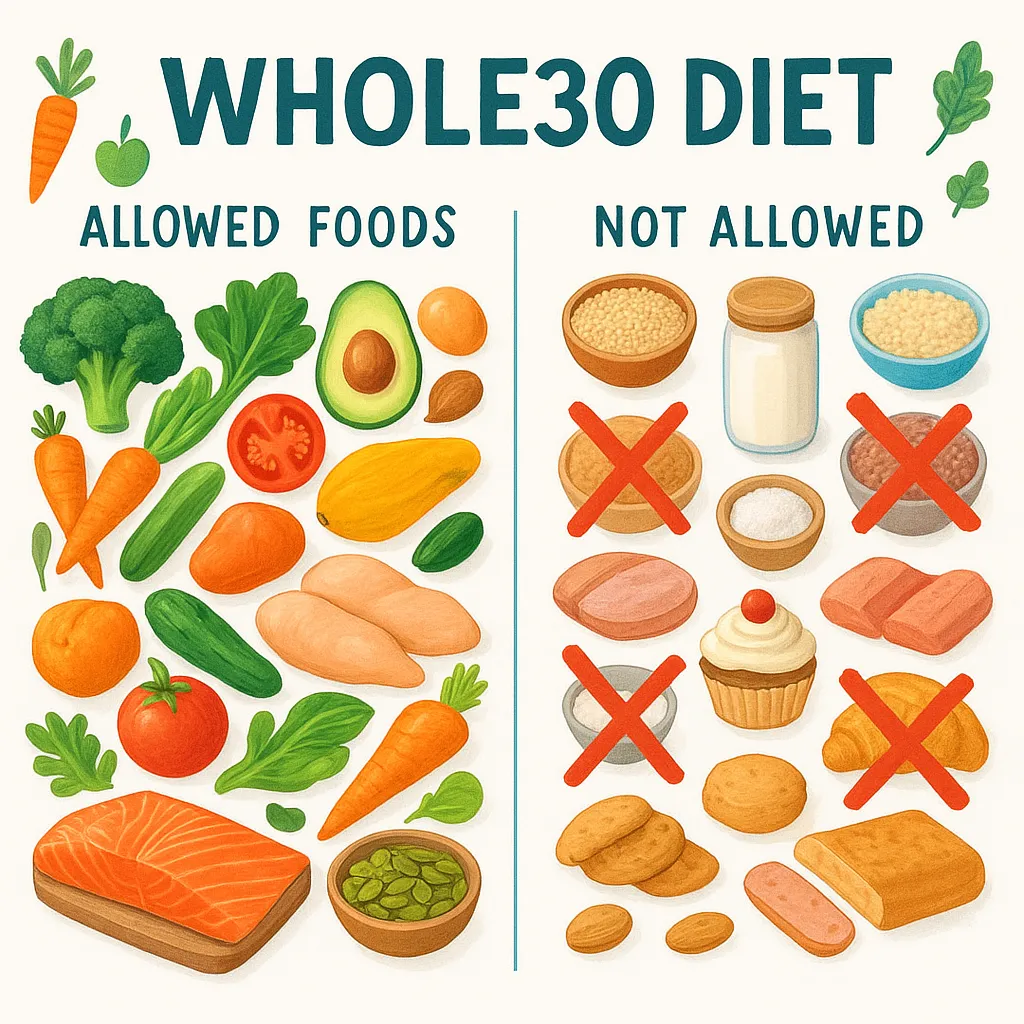
The Whole30 diet allows whole, unprocessed foods like meat, seafood, eggs, vegetables, fruits, and healthy fats. It prohibits grains, dairy, sugar, legumes, most processed foods, and certain additives for 30 days. This approach is designed to help identify food sensitivities, support healthy habits, and reset your relationship with food.
—
What Is the Whole30 Diet?
**The Whole30 diet** is a 30-day elimination program that emphasizes eating whole, minimally processed foods while removing foods that may trigger inflammation, cravings, or digestive issues. After the 30 days, eliminated foods are reintroduced one by one to observe their effects.
—
Which Foods Are Allowed on Whole30?
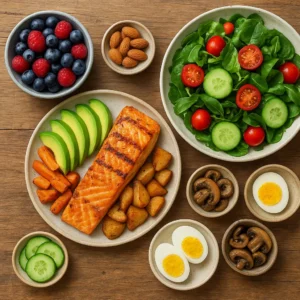
**Allowed foods on Whole30:**
– Fresh and unprocessed meats (beef, chicken, turkey, pork, lamb)
– Seafood and fish
– Eggs
– All vegetables (except corn and peas)
– Fruits (in moderation)
– Natural fats and oils (such as olive, coconut, avocado, and clarified butter/ghee)
– Nuts and seeds (except peanuts)
– Herbs, spices, and seasonings with no added sugars or sulfites
**Definition Box**:
> **Whole30 Allowed Foods**
> _Whole30 focuses on whole foods, including animal proteins, vegetables, some fruits, and healthy fats, while excluding grains, dairy, sugar, and legumes._
—
What Foods Are Not Allowed on Whole30?
**Foods to avoid on Whole30:**
– All grains (wheat, rice, oats, corn, quinoa, etc.)
– Dairy (milk, cheese, yogurt, cream, ice cream)
– Added sugars (real or artificial; includes honey, maple syrup, agave)
– Legumes (beans, lentils, peanuts, soy: tofu, tempeh, edamame, soy sauce)
– Processed foods and snacks (chips, baked goods, junk food)
– Alcohol (including in cooking)
– Certain additives: carrageenan, MSG, sulfites
**Definition Box**:
> **Whole30 Banned Foods**
> _On Whole30, you must eliminate grains, dairy, added sugars, alcohol, legumes, and most processed foods for the full 30 days._
—
Whole30 Foods: Allowed vs. Not Allowed Table
| Food Group | Allowed Examples | Not Allowed Examples |
|——————-|——————————————————|—————————————————–|
| Protein | Beef, chicken, fish, eggs | Processed meats with sugar/soy, breaded meats |
| Vegetables | Leafy greens, broccoli, carrots, potatoes | Corn, peas |
| Fruits | Apples, berries, bananas (in moderation) | Fruit juices with added sugar, dried fruit with sulfites |
| Healthy Fats | Olive oil, coconut oil, ghee, avocado | Dairy butter, margarines |
| Nuts & Seeds | Almonds, cashews, sunflower seeds | Peanuts, soy nuts |
| Grains | — | Wheat, rice, oats, corn, quinoa, buckwheat |
| Dairy | — | Milk, cheese, yogurt, cream, ice cream |
| Legumes | — | Beans, lentils, peas, soy, peanuts |
| Sugar | — | Honey, cane sugar, agave, maple syrup, stevia |
| Alcohol | — | Beer, wine, liquor, alcohol extracts |
—
How Do I Know If a Food Is Whole30 Approved?
What Ingredients Should I Watch Out For?
Always check ingredient labels for:
– Added sweeteners (sugar, honey, agave, maple syrup, stevia, Splenda, etc.)
– Grains and grain derivatives
– Dairy ingredients (whey, casein, milk solids)
– Legume ingredients (soy, peanuts, lecithin)
– Alcohol (including extracts and cooking wines)
– Preservatives and additives like carrageenan, MSG, or sulfites
**Tip:** Choose products with minimal, simple ingredients that you recognize.
—
Why Are These Foods Excluded on the Whole30 Diet?
Many excluded foods (such as grains, dairy, legumes, and sugar) are believed to contribute to inflammation, blood sugar spikes, cravings, and digestive discomfort in some people. By eliminating these food groups for 30 days, the Whole30 program allows you to “reset” your eating habits and discover how different foods affect your body and mind.
—
Can I Eat Paleo, Keto, or Plant-Based on Whole30?
– **Paleo:** Whole30 is stricter but similar; both exclude grains, legumes, and dairy, but Whole30 also eliminates natural sugars and processed foods.
– **Keto:** Whole30 is not a low-carb or fat-focused diet. Many Whole30 foods fit keto, but higher-carb foods (fruits, starchy veggies) are allowed on Whole30.
– **Plant-based:** Whole30 can be adapted, but it’s challenging due to the exclusion of soy, beans, and most plant-based proteins.
—
What About “SWYPO” Foods or Making Healthy Versions of Treats?
Whole30 discourages recreating baked goods or desserts (“Sex With Your Pants On” or SWYPO foods), even with compliant ingredients, as it goes against the goal of changing your relationship with food.
—
Related Contexts and Concepts
**Related Entities**:
– *Melissa Hartwig Urban*: Co-founder of Whole30
– *Elimination Diet*: Similar approach focused on identifying sensitivities
– *Clean Eating*: Overlaps with Whole30 principles
**Whole30 Reintroduction Phase**: After 30 days, eliminated foods are carefully reintroduced one at a time to observe effects on your body.
—
Common Variations of the Question
– “What foods should I avoid on Whole30?”
– “Can I have dairy, grains, or sugar on Whole30?”
– “What foods are Whole30 compliant?”
– “Is rice allowed on Whole30?”
– “Can you eat potatoes on Whole30?”
—
Foods Allowed and Not Allowed on Whole30: Quick Reference List
Whole30-Approved Foods
– Meat, poultry, seafood, eggs
– All vegetables (including potatoes, but not corn or peas)
– Fresh fruits (use sparingly)
– Healthy fats (avocado, olives, certain oils, ghee)
– Most nuts and seeds
Foods to Avoid
– Grains (including corn, wheat, rice, millet, barley, quinoa, etc.)
– Dairy (except clarified butter/ghee)
– Legumes (beans, lentils, soy products, peanuts)
– Artificial and natural sweeteners
– Processed/junk foods
– Alcohol and all alcohol-containing foods
– Processed additives: MSG, sulfites, carrageenan
—
Whole30 Pantry and Shopping Tips
– Look for “Whole30 Approved” labels on some brands.
– Read every label—even for “healthy” products.
– Plan meals around proteins, vegetables, healthy fats, and simple snacks such as compliant nuts or fruits.
—
Whole30 Diet: FAQ
1. Can you eat potatoes on Whole30?
**Yes, all potatoes (white, red, sweet) are allowed on Whole30 as a starchy vegetable.**
2. Is coffee allowed on Whole30?
**Black coffee is allowed, but you cannot use dairy or sweetened creamers. Use compliant nut milks if desired.**
3. Are smoothies and fruit juices okay on Whole30?
**Smoothies are discouraged but not banned. Fresh fruit juices are allowed in small amounts, but blended fruit meals are discouraged to avoid sugar overload.**
4. Can you use spices and condiments on Whole30?
**Yes, but only if they have no added sugars, soy, or banned additives. Check every label!**
5. Are store-bought snacks like jerky or nuts okay?
**They’re allowed if they have only Whole30 compliant ingredients—watch for soy, sugar, and preservatives.**
6. How strict is the no “cheat meals” rule?
**Whole30 requires 100% compliance for best results; any slip means restarting the 30 days.**
7. Is butter allowed on Whole30?
**No, but clarified butter (ghee) is approved since milk solids are removed.**
—
Key Takeaways
– Focus on whole, unprocessed foods.
– Avoid grains, dairy, legumes, all sugars, processed foods, and alcohol.
– Always check ingredient labels to ensure compliance.
– The Whole30 diet is designed for a complete reset—strict adherence helps you discover how foods affect your body.
**For more details, visit [whole30.com](https://whole30.com) or consult certified Whole30-approved resources.**
“`