What are the Main Components of a High-Protein Diet?
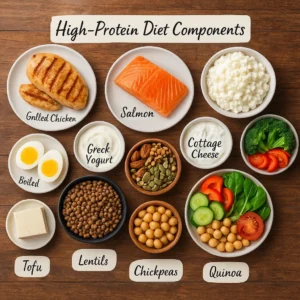
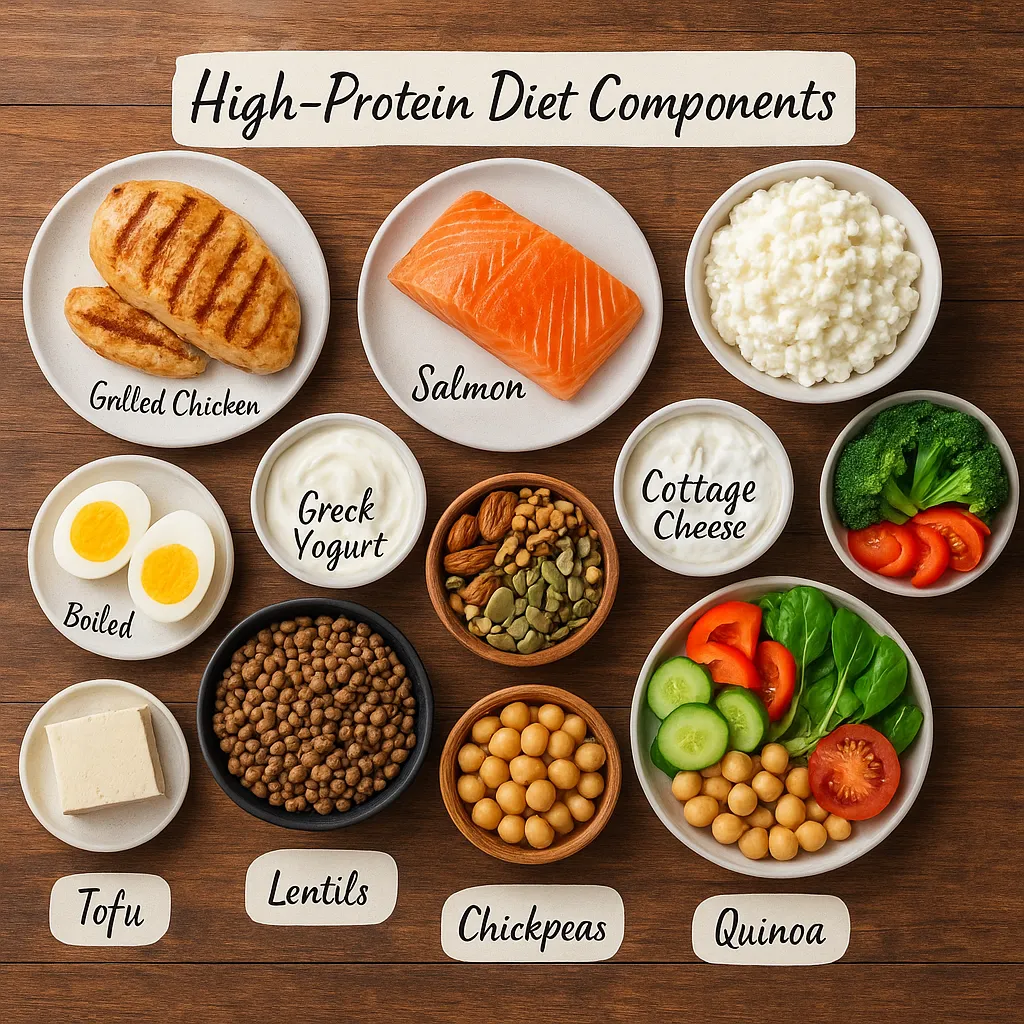
A high-protein diet primarily consists of foods that are rich in protein, with the goal of increasing protein intake relative to carbohydrates and fats. The main components are lean meats, fish, dairy, eggs, legumes, nuts, seeds, and high-protein grains. These foods support muscle growth, satiety, and overall metabolic health.
—
What Foods Make Up a High-Protein Diet?
A high-protein diet centers around foods that have a high proportion of protein relative to their calories. Common sources include both animal-based and plant-based proteins. Here’s a quick overview:
| Protein Source | Example Foods |
|——————|———————————————-|
| Animal Proteins | Chicken, turkey, beef, pork, fish, eggs |
| Dairy Products | Greek yogurt, cottage cheese, milk, cheese |
| Plant Proteins | Lentils, chickpeas, black beans, tofu, tempeh|
| Nuts/Seeds | Almonds, peanuts, chia seeds, pumpkin seeds |
| Protein Grains | Quinoa, buckwheat, amaranth |
*Definition: High-Protein Diet*
> A high-protein diet is a dietary pattern that emphasizes increasing protein intake, typically making up 20% or more of daily calories, often to support muscle maintenance, manage weight, or support health goals.
—
Why Do People Follow a High-Protein Diet?
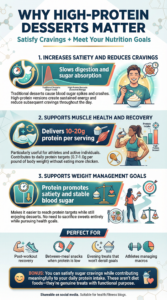
People choose high-protein diets for several reasons, including building muscle (especially among athletes), supporting weight loss and fat loss through increased satiety, stabilizing blood sugar levels, and improving metabolic health. Protein is crucial for repairing tissues, hormone production, and supporting a healthy immune system.
—
What Are the Core Elements of a High-Protein Diet?
1. **Lean Animal Proteins**
These are primary sources of complete proteins, providing all essential amino acids.
– Chicken and turkey breast
– Lean cuts of beef and pork (sirloin, tenderloin)
– Fish (salmon, tuna, cod, haddock)
– Eggs (whole and egg whites)
2. **Dairy and Dairy Alternatives**
Dairy products offer high-quality protein and important nutrients like calcium.
– Greek yogurt
– Cottage cheese
– Skim milk or low-fat milk
– Plant-based alternatives like soy milk
3. **Plant-Based Proteins**
Plant proteins are rich not only in protein but also in fiber, vitamins, and minerals.
– Beans and legumes (lentils, chickpeas, kidney beans)
– Tofu, tempeh, edamame
– Seitan
4. **Nuts and Seeds**
These provide healthy fats and protein, though they are calorie-dense.
– Almonds, walnuts, pistachios
– Chia, flax, hemp, and pumpkin seeds
5. **High-Protein Grains and Whole Foods**
Some grains and pseudocereals are good protein sources, especially for vegetarians/vegans.
– Quinoa
– Buckwheat
– Amaranth
—
Are Protein Powders and Supplements Included?
Yes, protein powders and supplements can be part of a high-protein diet, particularly whey protein, casein, soy protein, and pea protein isolates. While food-first is generally recommended, supplements can help meet higher protein needs or convenience goals.
—
What Nutrients Are Important in a High-Protein Diet?
While increasing protein, it’s important to include other nutrients for balance and long-term health. Many high-protein foods also provide:
– **Iron:** Especially from red meat and legumes
– **Calcium:** From dairy
– **Magnesium & Zinc:** From nuts/seeds and beans
– **Omega-3 Fatty Acids:** From fatty fish and some seeds
– **Fiber:** From beans, legumes, and protein-rich grains
—
Question Variations: How Else Do People Ask About High-Protein Diets?
– What foods should I eat on a high-protein diet?
– Which ingredients are key in high-protein meals?
– What makes up a healthy high-protein diet?
– What should be included in a protein-rich eating plan?
– What are the best protein sources for a high-protein diet?
—
What Does a Sample Day on a High-Protein Diet Look Like?
Here is a sample meal plan to illustrate how diverse high-protein choices fit into daily eating:
| Meal | High-Protein Options |
|—————-|————————————————————-|
| Breakfast | Scrambled eggs / Greek yogurt with berries and chia seeds |
| Snack | Cottage cheese with sliced almonds |
| Lunch | Grilled chicken salad with mixed greens and quinoa |
| Snack | Hummus with carrot sticks / Protein shake |
| Dinner | Baked salmon, lentils, steamed broccoli |
| Evening Snack | Edamame or pistachios |
—
How Does a High-Protein Diet Relate to Other Diets?
*Related Dietary Patterns*
– **Low-carb diets** (like keto or Atkins): Often also high in protein
– **Paleo diet:** Emphasizes animal and plant proteins, similar principles
– **Vegetarian/Vegan high-protein diets:** Focus on legumes, soy, and grains
—
Balancing Protein With Other Nutrients
While protein is the focus, a balanced high-protein diet includes:
– Plenty of vegetables for fiber and micronutrients
– Healthy fats from fish, nuts, seeds, and avocados
– Moderate portions of carbohydrate-rich foods like whole grains and fruits
This holistic approach helps support digestive health, energy levels, and longevity.
—
High-Protein Diet: Quick Facts Box
| Fact | Details |
|———————————|——————————————————|
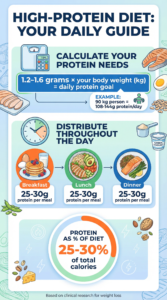
| Daily Protein Goal | ~1.2–2.2g protein/kg body weight (individualized) |
| Top Animal Protein Sources | Chicken, fish, turkey, eggs |
| Top Plant Protein Sources | Lentils, soy foods, quinoa, beans |
| Health Benefits | Supports muscle, satiety, metabolism |
| Considerations | Hydration, kidney health (for some people) |
—
Comprehensive FAQ: High-Protein Diets
1. **Is a high-protein diet safe for everyone?**
Most healthy adults can safely follow a high-protein diet. Individuals with kidney disease or certain metabolic conditions should consult a healthcare professional before increasing protein intake.
2. **How much protein is considered “high-protein”?**
Dietary guidelines consider anything above 20% of total calories from protein, or about 1.2–2.2 grams per kilogram of body weight per day, as high-protein.
3. **Can vegetarians or vegans follow a high-protein diet?**
Yes, by focusing on plant-based sources like legumes, soy products, nuts, seeds, and high-protein grains, vegetarians and vegans can achieve high protein intake.
4. **What are the risks of a high-protein diet?**
Potential risks include kidney strain (in those with pre-existing conditions), dehydration, or excessive saturated fat intake if relying heavily on fatty animal products. These risks can be minimized with variety and balance.
5. **How does a high-protein diet help with weight loss?**
Protein increases feelings of fullness, helps preserve lean muscle during calorie restriction, and may slightly boost calorie expenditure through the thermic effect of food.
6. **Should I count calories or just focus on protein?**
Both overall calories and macronutrient balance are important for health and results. Focusing only on protein may neglect other necessary nutrients.
7. **What’s the best time to eat protein?**
Spreading protein throughout the day—in each meal and snack—optimizes muscle repair, appetite control, and energy.
—
Key Takeaways
A high-protein diet emphasizes a variety of protein-rich foods from both animal and plant sources. The main components are lean meats, fish, eggs, dairy, legumes, nuts, and protein-rich grains, supporting muscle health, metabolism, and satiety. Maintaining balance with vegetables, healthy fats, and whole foods ensures long-term health and diet sustainability.
—
“`