How Does Following a Vegetarian Diet Support Healthy Weight Loss and Effective Dieting?
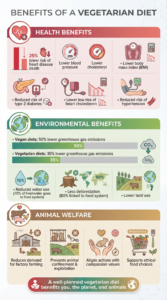
Choosing a vegetarian diet can support healthy weight loss and effective dieting by naturally reducing calorie intake, promoting nutrient density, and encouraging consumption of fiber-rich foods that increase satiety. By replacing high-calorie animal products with vegetables, legumes, fruits, and whole grains, vegetarians often find it easier to maintain a calorie deficit while meeting their nutritional needs.
—
What Is a Vegetarian Diet?
**Definition Box**
A vegetarian diet is an eating pattern that excludes meat, poultry, and fish, focusing instead on plant-based foods such as vegetables, whole grains, fruits, legumes, nuts, and seeds. Some common types of vegetarians include:
– **Lacto-vegetarians**: consume dairy but avoid eggs, meat, and fish.
– **Ovo-vegetarians**: include eggs but exclude dairy, meat, and fish.
– **Lacto-ovo vegetarians**: eat both eggs and dairy, but no meat or fish.
– **Vegans**: exclude all animal-derived products.
—
How Does a Vegetarian Diet Help With Weight Loss?
Lower Calorie Density
Plant-based foods like vegetables, fruits, and whole grains generally contain fewer calories per volume than animal-based products. Foods like leafy greens, berries, and legumes provide high nutritional value with fewer calories, making it easier to create a calorie deficit for weight loss.
Increased Dietary Fiber
Fiber is a key factor in effective dieting. Vegetarian meals tend to be high in dietary fiber, which slows digestion, regulates blood sugar, and helps you feel full longer. This reduces overeating and snacking between meals.
Reduced Saturated Fat & Cholesterol
Vegetarian diets are typically lower in saturated fats and cholesterol because they exclude most animal fats. Lower saturated fat intake is associated with decreased risk of obesity, heart disease, and metabolic syndrome.
—
What Makes a Vegetarian Diet Effective for Dieting?
Promotes Satiety and Appetite Control
High-fiber, water-rich foods such as beans, lentils, peas, and whole grains promote a sense of fullness. As a result, vegetarians may naturally reduce their overall calorie intake and experience less hunger between meals.
Encourages Mindful Eating
Switching to vegetarian meal planning often encourages mindfulness about food choices, cooking methods, and portion sizes. This helps establish healthy eating routines and increases awareness of nutritional balance.
Easier Management of Weight Loss Plateaus
Because vegetarian diets are associated with higher intake of antioxidant-rich fruits and vegetables, they can support metabolism and energy levels, making it easier to overcome common weight-loss plateaus.
—
Table: Nutritional Comparison — Typical Vegetarian vs. Omnivore Diet
| Nutrient/Food Group | Typical Vegetarian Diet | Typical Omnivore Diet |
|———————-|————————|————————-|
| Calories | Lower | Higher |
| Saturated Fat | Lower | Higher |
| Fiber | Higher | Lower |
| Micronutrients* | Higher (in some cases) | Variable |
| Plant Protein | Higher | Lower |
> *Key micronutrients: vitamin C, folate, potassium, magnesium
—
Are Vegetarian Diets Nutrient-Dense and Balanced?
Yes, when well-planned, vegetarian diets can be highly nutrient-dense and balanced. Key elements include:
– **Whole grains:** Quinoa, brown rice, oats
– **Legumes:** Lentils, chickpeas, black beans
– **Vegetables:** Broccoli, spinach, kale, carrots
– **Fruits:** Apples, bananas, berries, citrus
– **Healthy fats:** Avocado, nuts, seeds, olive oil
Combining these foods ensures adequate intake of protein, complex carbohydrates, vitamins, and minerals essential for energy and health.
—
How Does Fiber in a Vegetarian Diet Support Weight Loss?
Fiber-rich foods—such as beans, lentils, whole grains, fruits, and vegetables—slow gastric emptying and regulate appetite hormones. This results in prolonged satiety, fewer cravings, and better blood sugar control, all of which are crucial for lasting weight loss.
**List: High-Fiber Vegetarian Foods**
– Lentils and beans
– Chickpeas
– Quinoa and brown rice
– Berries and apples
– Carrots and broccoli
– Nuts and seeds
—
What About Protein and Muscle Health on a Vegetarian Diet?
Vegetarian diets provide ample protein from plant-based sources. Key protein-rich foods include:
– Lentils and beans
– Tofu and tempeh
– Quinoa
– Greek yogurt (for lacto-ovo vegetarians)
– Nuts and seeds
Combining different plant protein sources throughout the day ensures a complete amino acid profile to support muscle maintenance and fat loss.
—
How Do Vegetarian Diets Affect Metabolism and Gut Health?
Vegetarian diets are linked to:
– **Improved gut microbiome due to higher fiber intake**
– **Enhanced metabolism and digestive health**
– **Lower risk of metabolic diseases (such as type 2 diabetes and obesity)**
These metabolic benefits help promote effective and sustainable weight loss.
—
Do Vegetarian Diets Help With Emotional and Social Aspects of Weight Loss?
Adopting a vegetarian diet can foster a sense of community, support, and shared purpose, which are valuable for motivation and long-term success in weight management. Many people find increased exposure to fresh, home-cooked meals positively influences their relationship with food.
—
Related Question Variations
Does going vegetarian make it easier to lose weight?
Yes, many people find weight loss comes more naturally on a vegetarian diet, due to the increased fiber and reduced calorie density of plant-based foods.
Can a vegetarian diet help me manage my weight long-term?
When practiced mindfully, a vegetarian diet can support long-term weight management by establishing healthy eating habits and nutritional balance.
—
FAQ: Vegetarian Diet & Weight Loss
1. Is it possible to gain weight on a vegetarian diet?
Yes, if calorie intake exceeds energy needs, even a vegetarian diet can lead to weight gain. Portion control and mindful food choices are still important.
2. What are the best vegetarian foods for weight loss?
Lentils, chickpeas, quinoa, leafy greens, berries, and cruciferous vegetables are packed with fiber and nutrients, making them excellent for weight loss.
3. How much protein do vegetarians need for healthy weight loss?
Most adults need about 0.8–1.0 grams of protein per kilogram of body weight. Beans, lentils, tofu, tempeh, and seeds can help meet these needs.
4. Can I follow a vegetarian diet if I have diabetes or other health conditions?
Yes, with the guidance of a healthcare provider, a vegetarian diet can be tailored to support conditions like diabetes, heart disease, and high cholesterol.
5. Are there any nutrients vegetarians need to monitor during weight loss?
Vegetarians should pay attention to vitamin B12, iron, zinc, and omega-3 fatty acids, which may require supplementation or careful food selection.
6. How fast can I expect to lose weight with a vegetarian diet?
Weight loss rates vary by individual, but many experience steady, sustainable progress when combining a vegetarian diet with regular physical activity.
7. Does a vegetarian diet help reduce belly fat?
Yes, the increased fiber and reduced saturated fat in a vegetarian diet may help reduce visceral fat and support overall fat loss.
—
Key Takeaways
– Vegetarian diets support healthy weight loss by lowering calorie density, boosting fiber, and encouraging nutritious food choices.
– Mindfully planned vegetarian meals provide essential protein and nutrients for balanced dieting.
– Increased satiety and improved metabolism contribute to sustained, effective weight control.
– Consulting with a dietitian can help optimize a vegetarian diet for weight loss and address any nutrient concerns.
—
“`