How Can Adopting a Vegetarian Diet Support Effective Weight Loss and Healthy Dieting?
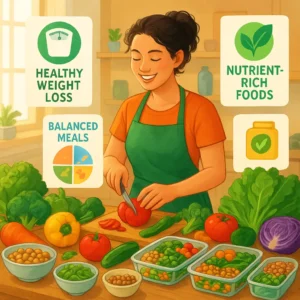
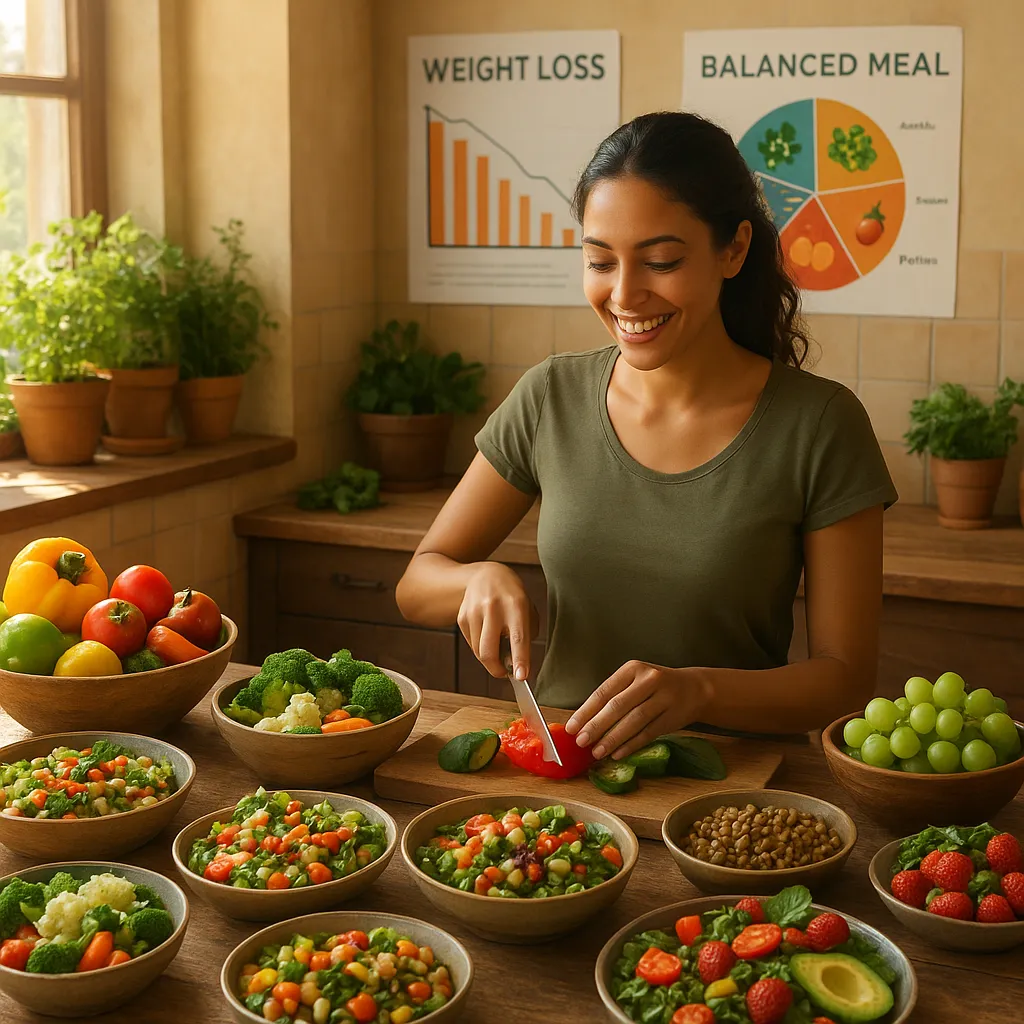
Switching to a vegetarian diet can aid weight loss and support healthy dieting by emphasizing nutrient-dense, lower-calorie plant foods while reducing intake of high-calorie, processed meats and fats. Vegetarian diets naturally encourage higher consumption of fiber, vitamins, and minerals, helping you feel full longer and making it easier to manage calories for sustainable weight loss.
—
What Is a Vegetarian Diet?
> **Definition Box:**
**Vegetarian Diet**: A dietary pattern that excludes meat, poultry, and seafood, but includes fruits, vegetables, legumes, grains, nuts, seeds, dairy, and sometimes eggs.
There are different variations of vegetarian diets, such as:
– **Lacto-vegetarian** (includes dairy, no eggs)
– **Ovo-vegetarian** (includes eggs, no dairy)
– **Lacto-ovo vegetarian** (includes both dairy and eggs)
– **Vegan** (excludes all animal-derived products)
—
How Does a Vegetarian Diet Promote Weight Loss?
Adopting a vegetarian diet supports weight loss mainly by:
– **Lower Calorie Density:** Plant-based foods are often less calorie-dense than animal products, making it easier to eat satisfying portions without excess calories.
– **High Fiber Content:** Fiber-rich foods like legumes, whole grains, vegetables, and fruits increase satiety and help control hunger.
– **Reduced Saturated Fat:** Cutting out meat limits the intake of saturated fats, which are linked to weight gain and metabolic issues.
– **Nutrient-Dense Choices:** Vegetarians typically consume higher amounts of essential nutrients, supporting overall metabolic health.
Table: Comparison of Key Nutrients in Vegetarian vs. Non-Vegetarian Diets
| Nutrient/Food | Vegetarian Diet | Non-Vegetarian Diet |
|————————|———————-|—————————-|
| Calories | Lower, on average | Higher, especially with red meats|
| Fiber | High | Typically lower |
| Saturated Fat | Lower | Often higher |
| Antioxidants | High | Moderate |
| Animal Protein | Limited/none | High |
—
What Are the Key Benefits of a Vegetarian Diet for Healthy Dieting?
1. Increased Fiber Intake
Fiber helps slow digestion, keeps you feeling full, and helps regulate blood sugar—all helpful for weight management.
2. Better Portion Control
Vegetarian meals often allow for larger portion sizes without excess calories, making you feel more satisfied after eating.
3. Easier Adherence to Diet
Studies show vegetarian diets are associated with improved diet quality and better adherence to nutritional guidelines.
4. Lower Intake of Processed Foods
Transitioning to vegetarianism often leads to less consumption of processed meats and sodium, supporting overall health.
—
What Foods Should You Focus On For Weight Loss as a Vegetarian?
Here’s a list of plant-based foods that are both nutritious and supportive of weight loss:
– **Vegetables (leafy greens, cruciferous veggies)**
– **Fruits (berries, apples, citrus)**
– **Legumes (beans, lentils, chickpeas)**
– **Whole grains (quinoa, brown rice, oats)**
– **Nuts and seeds (in moderation)**
– **Low-fat dairy or dairy alternatives**
– **Tofu and tempeh**
—
How Do Calories and Nutrient Balance Work in A Vegetarian Diet?
Understanding calories and nutrients is key to healthy and sustainable weight loss. Here’s how it breaks down:
Calories in Vegetarian Foods
Vegetarian diets prioritize low-calorie-dense foods. For example:
– **Leafy greens:** ~10-25 calories/cup
– **Beans/Lentils:** ~100-150 calories/half-cup
– **Whole grains:** ~100-200 calories/cup cooked
Protein Sources
Vegetarians get protein from legumes, tofu, tempeh, dairy products, and eggs (if included), which are sufficient for most people’s needs and support muscle maintenance during weight loss.
—
Are There Risks or Challenges with Vegetarian Dieting for Weight Loss?
While generally healthy, vegetarian diets may lead to deficiencies if not well-planned:
– **Protein:** Ensure variety of sources (beans, lentils, tofu, dairy, eggs).
– **Vitamin B12:** Consider fortified foods or supplements if vegan.
– **Iron:** Emphasize plant-based sources (lentils, spinach) and consume with vitamin C for better absorption.
– **Omega-3 Fatty Acids:** Include flaxseeds, chia seeds, walnuts, or algae-based supplements.
—
Can a Vegetarian Diet Help Reduce Belly Fat?
Yes, research suggests vegetarians typically have lower body mass index (BMI) and reduced visceral fat compared to meat-eaters. High fiber intake and lower saturated fat consumption contribute to loss of abdominal fat.
—
What Are Effective Tips for Weight Loss on a Vegetarian Diet?
1. **Plan balanced meals** with vegetables, protein, healthy fats, and complex carbs.
2. **Avoid excessive cheese and processed vegetarian foods** which can be high in calories.
3. **Meal prep** to avoid unhealthy snacking.
4. **Monitor portion sizes**, especially of high-calorie foods like nuts.
5. **Stay hydrated** and include exercise in your routine.
—
Question Variations: How Else Might People Ask This?
– Does eating vegetarian help lose weight?
– Are vegetarian diets good for healthy dieting?
– Can going vegetarian help me slim down?
– What are the weight loss benefits of a vegetarian diet?
– Is a vegetarian diet effective for weight management?
—
FAQ: Common Questions About Vegetarian Diets and Weight Loss
1. Can I lose weight quickly with a vegetarian diet?
Yes, many people experience gradual and healthy weight loss on a vegetarian diet, but rapid weight loss depends on maintaining a calorie deficit and an active lifestyle.
2. What are the best vegetarian proteins for weight loss?
Top vegetarian protein sources include lentils, chickpeas, tofu, tempeh, low-fat dairy, and eggs.
3. Do I need to count calories on a vegetarian diet?
Counting calories may help initially, but focusing on whole foods, fiber, and balanced meals is often more effective and sustainable.
4. Will I get enough nutrients if I switch to vegetarianism?
With careful planning and variety, a vegetarian diet can provide all essential nutrients. Consider fortified foods or supplements for B12 and omega-3s if needed.
5. Are meat substitutes healthy for dieting?
Many plant-based meat substitutes are highly processed and may be high in sodium and fat. Use them occasionally; prioritize whole foods for best results.
6. Is a vegetarian diet suitable for athletes or active people?
Absolutely. With proper protein planning, vegetarian diets can support muscle growth and high energy needs.
7. Can children or teens lose weight healthily on a vegetarian diet?
Yes, but weight loss for young people should be guided by a healthcare provider to ensure all nutritional needs are met.
—
Summary: Why Is a Vegetarian Diet Good for Weight Loss and Healthy Dieting?
A well-planned vegetarian diet is a practical, sustainable approach to weight loss and healthy eating. It emphasizes low-calorie, high-fiber, and nutrient-rich foods, reduces saturated fat, and encourages mindful eating. When combined with active living and variety, vegetarianism supports both safe weight loss and lifelong health.
“`