How Can Following a Vegetarian Diet Support Healthy Weight Loss and Effective Dieting?
Choosing a vegetarian diet can support healthy weight loss by encouraging the consumption of low-calorie, nutrient-dense foods and reducing intake of high-fat animal products. This eating approach is naturally rich in fiber, vitamins, and minerals, which can help you feel fuller for longer while supporting effective dieting.
—
What Is a Vegetarian Diet?
> **Definition:**
> A vegetarian diet excludes meat, fish, and poultry, focusing primarily on plant-based foods such as vegetables, fruits, grains, nuts, seeds, and legumes. Some vegetarians include dairy products (lacto-vegetarian), eggs (ovo-vegetarian), or both (lacto-ovo vegetarian).
—
Why Does a Vegetarian Diet Support Weight Loss?
A vegetarian diet supports weight loss through several mechanisms. When you eat mostly plants, you typically consume fewer calories from fat and more fiber, both of which can help with weight management.
Key Reasons a Vegetarian Diet Promotes Healthy Weight Loss
– **Lower Calorie Density:**
Most plant-based foods are lower in calories per gram than animal-based foods.
– **High Fiber Content:**
Vegetables, fruits, legumes, and whole grains are rich in dietary fiber, promoting satiety and helping prevent overeating.
– **Reduced Intake of Saturated Fat:**
Eliminating or reducing animal fats often leads to lower overall saturated fat intake, supporting heart health and weight regulation.
– **Increased Volume, Lower Calories:**
You can eat higher volumes of plant foods for the same or fewer calories, which enhances fullness and dietary satisfaction.
—
Table: Comparison of Typical Vegetarian vs. Non-Vegetarian Meals
| Meal Type | Calories | Fiber | Saturated Fat |
|———————|———-|——-|————–|
| Lentil Soup & Salad | 400 | 12g | 1g |
| Chicken Alfredo | 750 | 3g | 10g |
| Veggie Stir-Fry | 350 | 8g | 0.5g |
| Beef Burger & Fries | 900 | 2g | 13g |
—
How Does a Vegetarian Diet Help With Effective Dieting?
1. Easier Caloric Deficit
Cutting out calorie-dense meats and processed foods makes it simpler to maintain a caloric deficit, which is key for weight loss.
2. Improved Nutritional Profile
Vegetarian diets naturally contain higher levels of antioxidants, phytonutrients, and healthy fats (from nuts, seeds, and avocados), all of which play a role in overall metabolic health.
3. Enhanced Gut Health
High-fiber foods nourish beneficial gut bacteria, which are associated with reduced inflammation and improved weight management.
4. Better Portion Control
Plant-based proteins like beans, tofu, and lentils are satisfying and make it easier to manage portions compared to higher-fat animal proteins.
—
What Nutrients Should Vegetarians Focus On for Healthy Weight Loss?
When following a vegetarian diet, it’s important to get enough:
– **Protein**: Beans, lentils, tofu, tempeh, seitan, eggs (for ovo-vegetarians), and dairy (for lacto-vegetarians).
– **Vitamin B12**: Fortified foods or supplements.
– **Iron**: Dark leafy greens, legumes, lentils, and fortified cereals (pair with vitamin C-rich foods for better absorption).
– **Zinc**: Whole grains, legumes, seeds, and nuts.
– **Omega-3 Fatty Acids**: Flaxseeds, chia seeds, hemp seeds, and walnuts.
—
Can a Vegetarian Diet Prevent Weight Regain?
How It Helps Maintain Weight Loss
– **Forming Healthy Habits:** The focus on whole grains, fruits, and vegetables fosters long-term healthy eating.
– **Low Processed Food Intake:** Vegetarian diets, especially those emphasizing whole foods, are lower in processed foods that contribute to weight gain.
– **Sustainable Eating Patterns:** Choosing plant-based meals often becomes a sustainable lifestyle rather than a short-term diet.
—
What Are Different Ways People Ask About Vegetarian Diets and Weight Loss?
– How does a vegetarian diet help with losing weight?
– Can being vegetarian make it easier to diet?
– Is a vegetarian diet good for weight management?
– What are the weight loss benefits of vegetarianism?
– Do plant-based diets work for fat loss?
—
What Are Healthy Vegetarian Diet Strategies for Weight Loss?
Tips for Effective Vegetarian Dieting
1. **Prioritize Whole Foods:**
Focus on fresh vegetables, fruits, legumes, whole grains, nuts, and seeds.
2. **Limit Processed Vegetarian Foods:**
Minimize intake of high-calorie processed products like chips, sweets, and cheese-laden dishes.
3. **Watch Portion Sizes:**
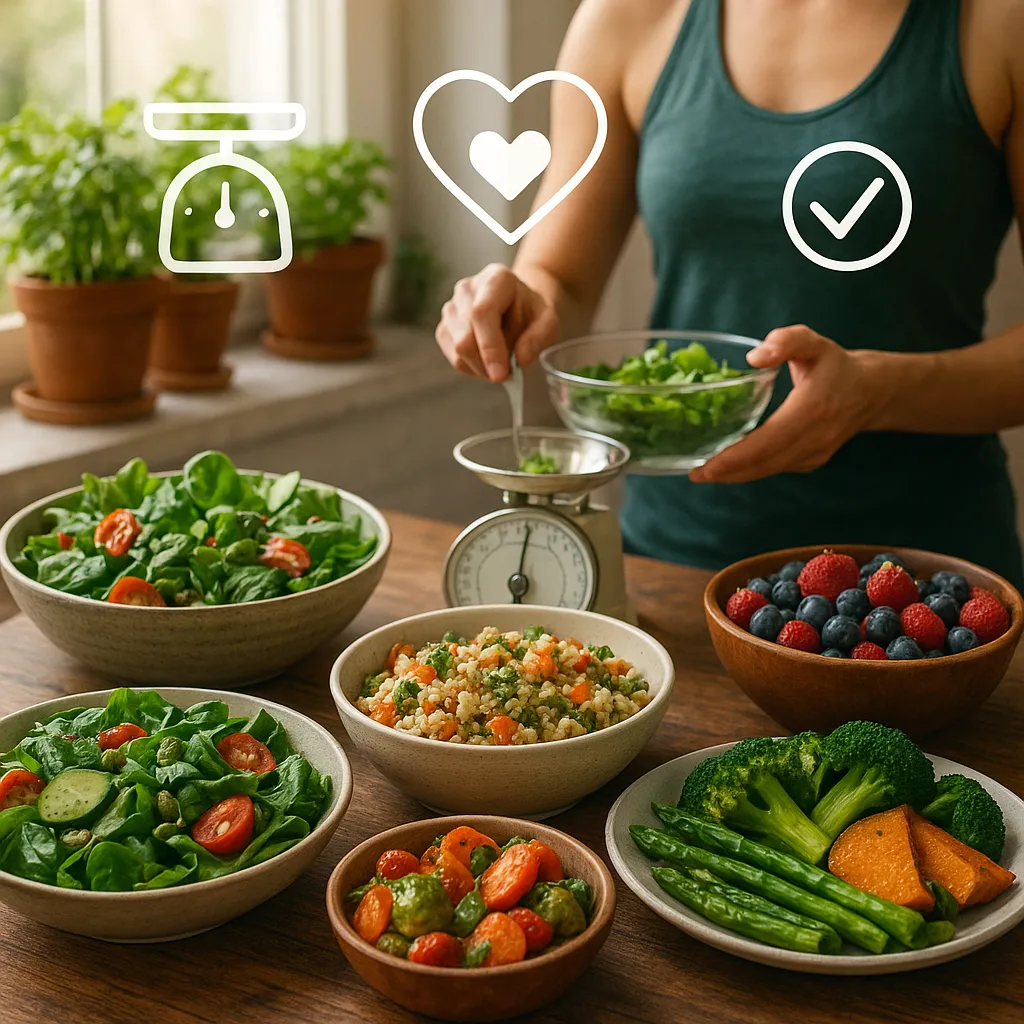
Use measuring cups or food scales to avoid overeating calorie-dense foods, even if they’re plant-based.
4. **Combine Protein and Fiber:**
Pair beans or lentils with whole grains for lasting fullness.
5. **Stay Hydrated:**
Water and herbal teas help manage hunger and support metabolism.
6. **Balance Meals:**
Include a protein source, complex carbs, and healthy fats in every meal for balanced nutrition.
—
Sample One-Day Vegetarian Meal Plan for Healthy Weight Loss
| Meal | Example Dish | Calories | Protein | Fiber |
|—————|—————————————————–|———-|———|——-|
| Breakfast | Overnight oats with berries and chia seeds | 300 | 10g | 7g |
| Lunch | Chickpea salad with leafy greens and olive oil | 400 | 14g | 10g |
| Snack | Baby carrots with hummus | 150 | 5g | 4g |
| Dinner | Stir-fried tofu with broccoli and brown rice | 450 | 18g | 7g |
—
Are There Any Risks or Challenges With a Vegetarian Diet for Weight Loss?
While a vegetarian diet is generally safe, rapid or extreme restriction can lead to nutrient deficiencies or unhealthy eating habits if not planned properly.
Common Challenges
– Lack of meal variety
– Overconsumption of refined carbohydrates
– Inadequate protein intake
– Potential deficiencies (B12, iron, omega-3)
Solutions
– Rotate recipes and try new vegetables and plant-based proteins
– Choose whole grains over refined ones
– Regularly include legumes, soy products, and eggs/dairy if not vegan
– Consider periodic blood tests and appropriate supplementation
—
Frequently Asked Questions (FAQ)
1. Can I lose weight faster on a vegetarian diet than a non-vegetarian diet?
Most people lose weight at a steady, healthy pace rather than rapidly on vegetarian diets, but the increased fiber and lower calorie density can make weight loss easier than on some typical meat-based diets.
2. Do I need to count calories on a vegetarian diet for weight loss?
While not always necessary, tracking portions and calories can help ensure you are in a calorie deficit, especially if you consume calorie-rich plant foods like nuts, seeds, and cheeses.
3. Can a vegetarian diet meet all my protein needs?
Yes, by including a variety of plant-based protein sources such as beans, lentils, tofu, tempeh, and, if desired, dairy and eggs, you can meet your protein requirements.
4. Is a vegetarian diet healthy for long-term weight management?
Many studies suggest that vegetarian diets are not only effective for weight loss, but can also promote better long-term weight management and overall health due to their emphasis on whole foods and fiber.
5. What is the best way to transition to a vegetarian diet for weight loss?
Gradually replace meat with plant-based proteins at meals, experiment with new recipes, and plan balanced meals to ensure complete nutrition while easing into a vegetarian lifestyle.
6. Are there risks of nutritional deficiencies with vegetarian weight loss diets?
If not well-planned, vegetarian diets can be low in vitamin B12, iron, and omega-3s. Use fortified foods or supplements as needed and focus on a varied, balanced diet.
7. Do vegetarian diets work for everyone trying to lose weight?
Vegetarian diets support weight loss for many people, but personal preferences, medical conditions, and nutritional needs vary. Consulting a healthcare provider or dietitian is recommended for personalized advice.
—
Key Takeaways: The Vegetarian Diet Advantage for Healthy Weight Loss
– A vegetarian diet encourages consumption of nutrient-rich, low-calorie foods that support fullness and effective dieting.
– Plant-based eating improves dietary quality, enhances satiety, and makes calorie reduction more achievable.
– Planning and variety are key for balanced nutrition and sustainable weight management on a vegetarian diet.
—
*Adopting a vegetarian diet can be a powerful strategy for healthy weight loss and effective, long-term dietary change, especially when meals are thoughtfully planned and focused on whole, natural foods.*
“`