
How Can Adopting a Vegetarian Diet Support Healthy Weight Loss and Dieting Goals?
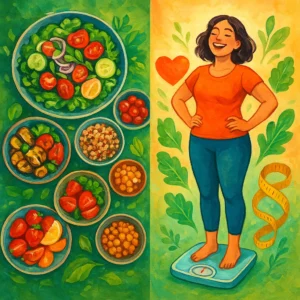
Adopting a vegetarian diet can support healthy weight loss and dieting goals by lowering calorie intake, increasing fiber consumption, and promoting nutrient-dense, plant-based foods that encourage satiety and metabolic health. Vegetarian diets are often naturally lower in fat and calories while being rich in vitamins, minerals, and antioxidants, making it easier to manage weight sustainably.
—
What Is a Vegetarian Diet and How Does It Relate to Weight Loss?
A vegetarian diet is a way of eating that excludes meat, poultry, and fish, focusing instead on plant-based foods like vegetables, fruits, grains, legumes, nuts, and seeds. This shift emphasizes foods that are typically lower in calories and higher in fiber and water content, helping to create a caloric deficit for weight loss while supporting overall wellbeing.
—
**Definition Box: Vegetarian Diet**
*Vegetarian Diet:*
A dietary pattern that excludes all forms of meat, poultry, and fish, emphasizing plant-derived foods such as vegetables, fruits, whole grains, legumes, nuts, and seeds. Variations include Lacto-vegetarian, Ovo-vegetarian, and Lacto-ovo-vegetarian diets.
—
How Does a Vegetarian Diet Aid in Weight Management?
What Are the Key Mechanisms?
Vegetarian diets support weight management through several mechanisms:
– **Lower Caloric Density:** Plant-based foods tend to be less energy-dense, allowing for larger, more satisfying meals with fewer calories.
– **Higher Fiber Intake:** Fiber increases feelings of fullness, which reduces overall calorie consumption.
– **Better Glycemic Control:** Plant foods help stabilize blood sugar, reducing cravings and energy crashes.
– **Reduced Saturated Fats:** Less saturated fat leads to healthier cholesterol profiles and better metabolic health.
**Table: Comparison of Typical Vegetarian and Non-Vegetarian Foods**
| Food Type | Average Calories | Fiber (g) per Serving | Saturated Fat |
|——————-|——————|———————-|————–|
| Chicken Breast | 165 | 0 | 1 g |
| Tofu (Firm) | 80 | 1 | 0.5 g |
| White Rice | 205 | 0.6 | 0.1 g |
| Quinoa | 120 | 2.8 | 0.2 g |
| Ground Beef | 250 | 0 | 8 g |
| Lentils (cooked) | 120 | 8 | 0.1 g |
—
Why Does Eating More Fiber Help With Weight Loss?
Eating more fiber through plant foods does a few important things:
– **Increases Satiety:** High-fiber foods slow digestion, helping you feel full longer.
– **Regulates Appetite:** Fiber helps prevent rapid spikes and drops in blood sugar, reducing cravings.
– **Supports Digestion:** It promotes regular bowel movements, aiding overall gut health.
—
What Are the Health Benefits of a Vegetarian Diet Beyond Weight Loss?
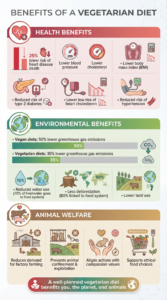
Vegetarian diets are associated with lower risks of heart disease, Type 2 diabetes, hypertension, and certain cancers. These benefits arise from higher intakes of antioxidants, phytonutrients, vitamins (such as Vitamin C and E), and minerals (like potassium and magnesium) found abundantly in fruits, vegetables, and legumes.
—
What Are Common Vegetarian Diet Types For Weight Loss?
Here are the main vegetarian diet variations and how they fit into weight management:
**List: Main Vegetarian Diet Variants**
– **Lacto-ovo vegetarian:** Includes dairy and eggs.
– **Lacto vegetarian:** Includes dairy, no eggs.
– **Ovo vegetarian:** Includes eggs, no dairy.
– **Vegan:** Excludes all animal-derived foods (even dairy and eggs).
All types emphasize whole, minimally processed plant foods as the foundation for healthy weight loss.
—
How To Start a Vegetarian Diet for Weight Loss?
What Foods Should You Eat, and What Should Be Limited?
Focusing on whole, nutrient-dense foods while minimizing high-calorie, processed options is key:
**Best Foods to Include:**
– Fresh vegetables and leafy greens (e.g., spinach, broccoli, kale)
– Whole fruits (e.g., berries, apples, oranges)
– Whole grains (e.g., quinoa, brown rice, oats)
– Legumes (e.g., lentils, chickpeas, beans)
– Nuts and seeds (in moderation)
– Soy products (e.g., tofu, tempeh)
**Foods to Limit:**
– Refined grains and sugars (e.g., white bread, pastries)
– Fried foods and salty snacks
– Cheese and full-fat dairy (if included)
– Heavily processed “meat alternatives” with added fats
—
Can a Vegetarian Diet Really Help You Lose Weight Faster Than Other Diets?
Studies (including those from entities like the Academy of Nutrition and Dietetics and the American Journal of Clinical Nutrition) show that people following vegetarian diets often have lower BMIs and lose weight more easily, mainly due to reduced caloric density and increased fiber intake. However, success depends on the quality of food choices and an overall balanced caloric intake.
—
How Does a Vegetarian Diet Support Long-Term Weight Management?
A vegetarian diet supports long-term weight maintenance by fostering sustainable eating habits built on satisfying, healthy foods. Unlike restrictive fad diets, vegetarianism encourages lifelong behavior change, a closer relationship with food quality, and a balanced intake of macronutrients and micronutrients.
—
Question Variations Answered
Can You Lose Weight on a Vegetarian Diet Without Counting Calories?
Yes. Choosing whole plant foods naturally limits calorie intake and increases satiety, potentially making strict calorie counting unnecessary for gradual weight loss.
What Are the Pitfalls to Avoid on a Vegetarian Diet for Weight Loss?
– Reliance on processed vegetarian “junk” foods high in sugar and fat
– Overeating high-calorie foods like cheese and nuts
– Skimping on protein-rich plant foods
How Can Plant-Based Proteins Aid in Weight Loss?
Plant-based proteins like lentils, beans, tofu, and tempeh help build muscle and maintain metabolism, both important for healthy weight management.
—
Frequently Asked Questions (FAQ)
1. Is a vegetarian diet better for weight loss than a vegan diet?
Both vegetarian and vegan diets can be effective for weight loss when based on whole, minimally processed foods. Vegan diets are often lower in calories but may require careful planning to meet all nutritional needs.
2. What nutrients should I pay attention to on a vegetarian weight loss plan?
Key nutrients to monitor include protein, vitamin B12, iron, calcium, omega-3 fatty acids, and zinc. Incorporating fortified foods or supplements may be necessary for some individuals.
3. Will I lose muscle mass on a vegetarian diet?
No, as long as you consume enough high-quality plant proteins (beans, tofu, lentils, nuts). Regular resistance exercise also helps preserve muscle during weight loss.
4. Can a vegetarian diet reduce belly fat?
Yes. By promoting whole, high-fiber foods and reducing processed fats and sugars, a vegetarian diet can help decrease visceral (belly) fat over time.
5. How quickly can I expect to see weight loss results?
Healthy, sustainable weight loss when adopting a vegetarian diet is typically 1–2 pounds per week, depending on your starting point and calorie consumption.
6. Do I need to count calories and track macros?
While not always necessary, tracking intake can help you understand portion sizes and ensure adequate protein, especially when starting out.
7. What are some simple vegetarian meal ideas for weight loss?
– Stir-fried tofu with mixed vegetables and brown rice
– Lentil soup with a side salad
– Overnight oats with fruit and nuts
– Roasted chickpeas with quinoa and steamed broccoli
—
Key Takeaways: Why Go Vegetarian for Weight Loss?
– **Natural Caloric Control:** Plant foods are less calorie-dense, leading to reduced energy intake.
– **Enhanced Fullness:** Fiber-rich meals aid appetite regulation.
– **Disease Prevention:** Vegetarian diets support improved metabolic health.
– **Sustainable Results:** Focused on lifestyle changes that can be maintained long-term.
Adopting a vegetarian diet, when based on whole, unprocessed foods, offers a simple, sustainable, and nutritious pathway to achieve and maintain healthy weight loss goals.
—
“`