How Can Adopting a Vegetarian Diet Help With Effective and Sustainable Weight Loss?
Adopting a vegetarian diet can support both effective and sustainable weight loss by emphasizing low-calorie, nutrient-dense foods such as vegetables, fruits, legumes, and whole grains. These foods promote satiety, help reduce calorie intake naturally, and are linked to healthier body weight compared to non-vegetarian diets. Choosing a plant-based diet not only assists with managing weight but may also provide long-term benefits for metabolic health.
—
What Does “Vegetarian Diet” Mean?
> **Definition Box:**
> A *vegetarian diet* is a way of eating that excludes meat, poultry, and fish, focusing on plant-based foods like vegetables, fruits, legumes, grains, nuts, and seeds. Some vegetarians may include dairy products and eggs.
—
Why Do People Lose Weight on a Vegetarian Diet?
**Question Variation:**
– Why does a vegetarian diet help with weight loss?
– Is a plant-based diet good for losing weight?
Key Reasons a Vegetarian Diet Aids Weight Loss
– **Lower Calorie Density:** Plant-based foods typically have fewer calories per gram than animal-based foods.
– **Higher Fiber Content:** Vegetables, fruits, and legumes contain more dietary fiber, which increases satiety and reduces overeating.
– **Healthier Food Choices:** Vegetarian diets encourage whole, unprocessed foods over calorie-dense, processed options.
– **Better Gut Health:** Fiber-rich diets support a healthy gut microbiome, which is associated with optimal weight.
—
Table: Calorie Density Comparison
| Food Group | Example Foods | Avg. Calories per 100g |
|————————|———————|————————|
| Leafy Greens | Spinach, kale | 20-30 |
| Fruits | Apples, berries | 40-60 |
| Legumes | Lentils, beans | 100-140 |
| Whole Grains | Brown rice, quinoa | 110-130 |
| Lean Meats | Chicken breast | 160-170 |
| Cheese | Cheddar, mozzarella | 300-400 |
—
How Does a Vegetarian Diet Promote Sustainable Weight Loss?
**Question Variation:**
– Is weight loss from a vegetarian diet sustainable?
– Can you keep the weight off with plant-based eating?
A vegetarian diet promotes sustainable weight loss by forming healthy eating habits that can be maintained over time. Plant-based meals are typically satisfying because of their fiber and water content, making it easier to avoid high-calorie snacking. The emphasis on unprocessed foods also supports better blood sugar regulation, reducing cravings and overeating.
—
List: Sustainable Habits Formed by a Vegetarian Diet
1. **Meal Planning:** Increases awareness of healthy ingredients.
2. **Mindful Eating:** Promotes slower eating and better hunger cues.
3. **Balanced Meals:** Encourages inclusion of all macronutrients.
4. **Portion Control:** Naturally limits calorie intake due to lower-calorie foods.
5. **Reduced Consumption of Processed Foods:** Decreases hidden calories and additives.
—
What Are the Main Entities Associated With Vegetarian Diet and Weight Loss?
In the context of weight management, several key entities are commonly related:
– **Fiber:** Key nutrient for fullness and digestion.
– **Phytonutrients:** Plant compounds that support metabolism.
– **Gut Microbiome:** Healthy bacteria impacted by diet, influences weight.
– **Body Mass Index (BMI):** Standard measurement for weight status.
– **Metabolic Rate:** Speed at which the body burns calories, influenced by muscle mass and diet quality.
—
Linking Vegetarian Diets to Related Weight Loss Concepts
Vegetarian Diet vs. Other Popular Diets
Vegetarian diets differ from animal-based or high-protein diets such as ketogenic or Paleo diets by prioritizing plant foods over meat and processed products. Numerous studies—including those by entities like the Academy of Nutrition and Dietetics—suggest vegetarians, on average, have lower BMIs and healthier cholesterol levels.
Common Plant-Based Weight Loss Methods
– **Whole-Food Plant-Based (WFPB):** Focuses on minimally processed foods, excludes all animal products.
– **Lacto-Ovo Vegetarian:** Includes dairy and eggs, offering flexible protein sources.
– **Vegan:** Excludes all animal-derived ingredients, typically resulting in even lower average calorie intake.
—
What Are the Health Benefits Beyond Weight Loss?
**Question Variation:**
– Are there other benefits to vegetarian diets besides losing weight?
– How does a vegetarian diet impact overall health?
Switching to a vegetarian diet can lower the risk of chronic illnesses like heart disease, type 2 diabetes, and hypertension. High intake of fruits and vegetables provides antioxidants, which combat inflammation and support immune function. These benefits enhance quality of life and make it easier to maintain weight loss long term.
—
Bite-Sized Tips for Successful Weight Loss on a Vegetarian Diet
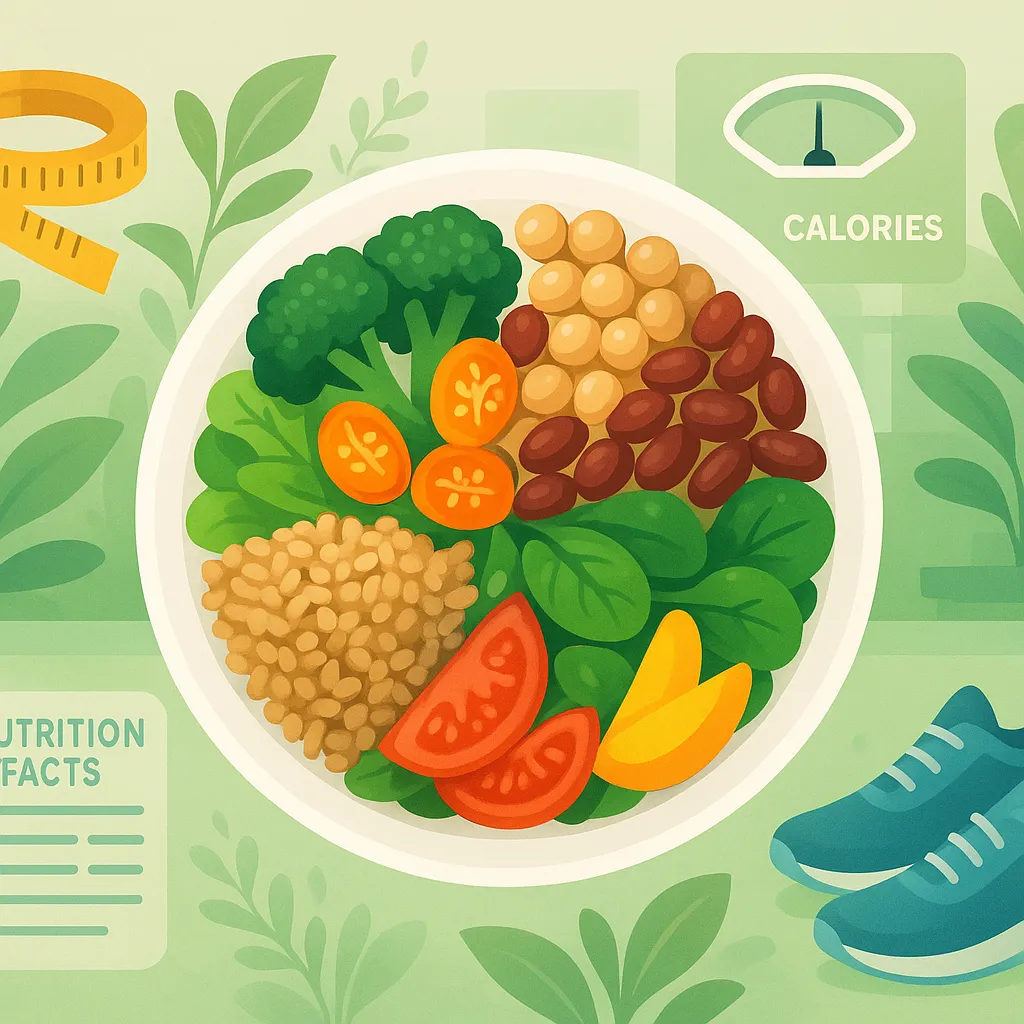
1. **Fill Half Your Plate with Non-Starchy Vegetables:** Broccoli, leafy greens, carrots, and peppers.
2. **Include Lean Vegetarian Proteins:** Lentils, tofu, beans, and Greek yogurt (for lacto-vegetarians).
3. **Opt for Whole Grains:** Brown rice, barley, and oats keep you full longer.
4. **Limit Processed “Junk Food”:** Even plant-based snacks and desserts can be calorie dense.
5. **Watch Your Portions:** Nuts, seeds, and cheeses are nutritious, but high in calories.
6. **Stay Hydrated:** Drink water frequently to manage hunger.
7. **Plan Balanced Meals:** Aim to include protein, healthy fat, and fiber in each meal.
—
Frequently Asked Questions (FAQ)
1. Can I get enough protein on a vegetarian diet for weight loss?
**Yes.** Beans, lentils, tofu, tempeh, seitan, eggs, and dairy are excellent plant-based protein sources. Aim to include one or more protein-rich foods at each meal.
2. Is a vegetarian diet safe for long-term weight control?
**Absolutely.** Long-term studies show that a vegetarian diet is safe and may even contribute to improved health and longevity if well-planned.
3. Will I feel hungry on a vegetarian diet?
Not likely, if you include plenty of fiber-rich foods like beans, vegetables, and whole grains, which help you feel fuller for longer.
4. How quickly can I expect to lose weight with a vegetarian diet?
Weight loss rates vary, depending on your starting weight, lifestyle, and calorie intake. A healthy rate is 1–2 pounds (0.5–1 kg) per week.
5. Are vegetarian meat substitutes good for weight loss?
Some plant-based meat substitutes are processed and high in calories and sodium. For effective weight loss, focus on whole, minimally processed foods.
6. What if I don’t like beans or lentils?
Try other vegetarian proteins like tofu, tempeh, eggs (if included), Greek yogurt, nuts, or explore recipes that make legumes more appealing.
7. Is a vegetarian diet suitable for athletes or physically active individuals?
Yes. Many athletes thrive on plant-based diets. They simply need to ensure adequate calorie and protein intake for their energy needs.
—
Conclusion: Is a Vegetarian Diet the Best Way to Lose Weight?
Adopting a vegetarian diet can be an effective and sustainable path to weight loss by promoting high-fiber, low-calorie foods and healthier eating habits. When planned thoughtfully, vegetarian meals provide all necessary nutrients and encourage long-term health. For those seeking effective, manageable weight loss, a plant-based approach is a well-supported and beneficial choice.
—
**Related Entities:**
Vegetarian nutrition, plant-based proteins, dietary fiber, weight maintenance, whole-food diets, nutrient density, cholesterol, BMI, metabolic health
**Semantic Context:**
Weight loss, cholesterol control, diabetes prevention, sustainability, healthy lifestyle changes, diet and metabolism, appetite regulation, satiety mechanisms
—
“`