What Are the Most Effective Strategies for Achieving Sustainable Weight Loss?
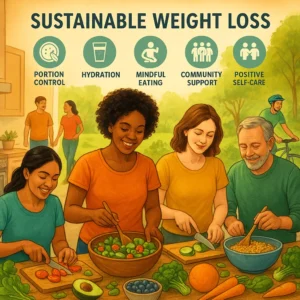
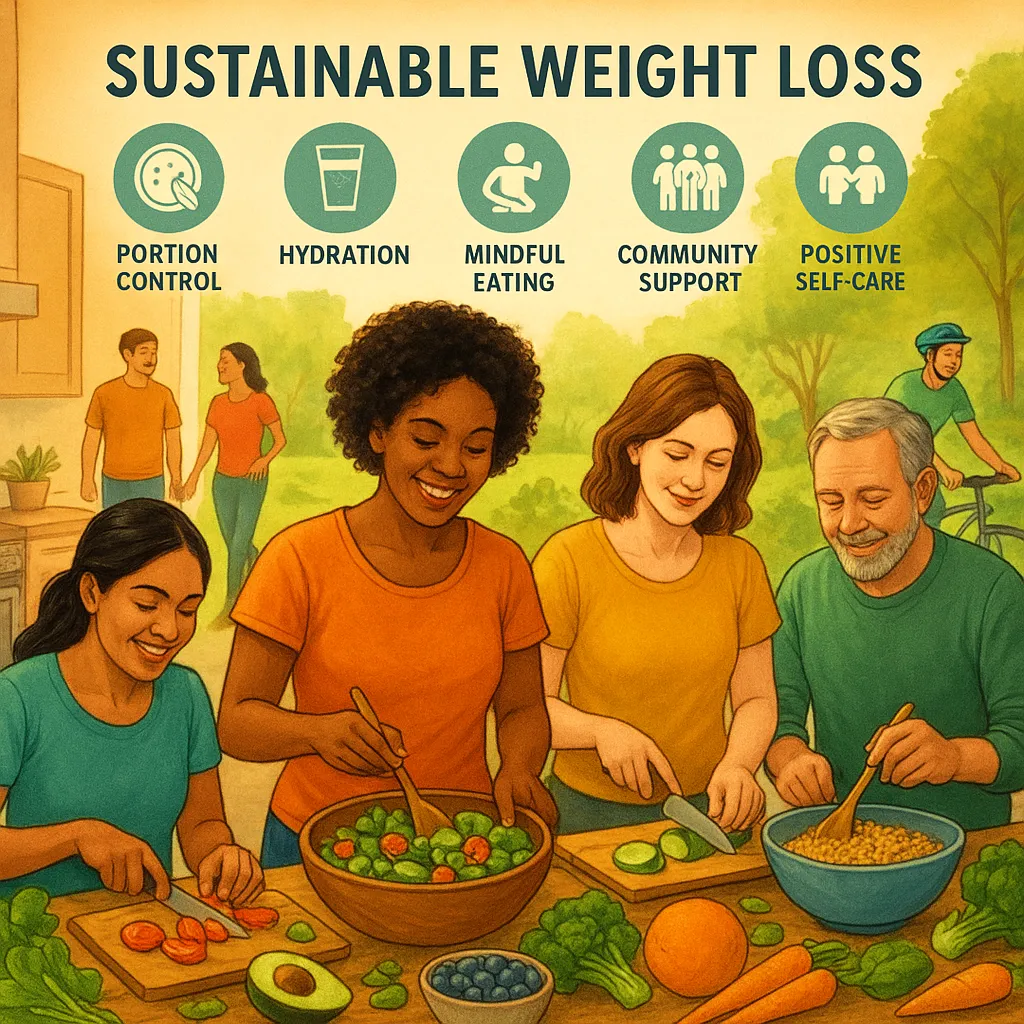
The most effective strategies for sustainable weight loss combine balanced nutrition, regular physical activity, behavioral changes, and consistent habits. Lasting weight loss is best achieved through gradual changes that support a healthy lifestyle rather than quick fixes or restrictive diets.
—
How Can I Lose Weight and Keep It Off?
People often ask, “How do I lose weight sustainably?” or “What’s the best way to maintain weight loss in the long term?” Let’s explore evidence-based approaches that work for most individuals.
—
What Is Sustainable Weight Loss?
> **Definition:**
> **Sustainable weight loss** means reducing body weight in a way that you can maintain long-term, without regaining the lost weight.
> This approach prioritizes gradual, steady progress through healthy lifestyle changes.
—
What Are the Key Strategies for Sustainable Weight Loss?
Here are the core strategies:
1. **Balanced, Whole-Food Diet**
2. **Regular Physical Activity**
3. **Behavioral and Lifestyle Changes**
4. **Accountability and Support**
5. **Sleep and Stress Management**
Let’s break these down further.
—
1. What’s the Role of Nutrition in Sustainable Weight Loss?
Nutrition is the cornerstone of healthy, lasting weight loss. Focus on the following:
Eat More Whole Foods
– **Vegetables and Fruits:** High in fiber, low in calories, and filled with vitamins and minerals.
– **Whole Grains:** Oats, brown rice, and quinoa provide sustained energy and fullness.
– **Lean Proteins:** Chicken, fish, legumes, tofu, and eggs support muscle maintenance.
– **Healthy Fats:** Nuts, seeds, avocados, and extra virgin olive oil help you feel satisfied.
Avoid Highly Processed Foods
– Minimize added sugars and refined carbohydrates.
– Limit sugar-sweetened beverages and packaged snacks.
Portion Control
– Serve smaller amounts and eat slowly.
– Pay attention to natural hunger and fullness cues.
—
2. How Does Physical Activity Support Weight Loss?
Regular movement helps burn calories, maintain muscle, and support metabolic health.
Recommended Activities
| Type of Activity | Examples | Frequency |
|——————|———————————–|——————–|
| Cardio | Walking, jogging, cycling | 150+ min/week |
| Strength | Resistance bands, weights, yoga | 2-3x/week |
| Everyday Movement| Taking stairs, gardening | Daily (as possible)|
Tip:
Find activities you enjoy to help you stay consistent!
—
3. How Do I Change My Habits for Long-Term Success?
Behavioral changes are essential for sustaining results. Here’s how to start:
– **Set Smart Goals:** Use realistic, clear goals (e.g., “walk 30 minutes after dinner, 5x/week”).
– **Track Progress:** Use a journal or app to monitor food, activity, and weight trends.
– **Identify Triggers:** Notice situations that lead to overeating and create alternative responses.
– **Practice Mindful Eating:** Focus on your food, avoid distractions, and savor meals.
—
4. Why Is Support Important in Weight Loss?
Studies show that having support increases long-term success.
– **Accountability Partners:** Friends, family, or health coaches can help motivate you.
– **Structured Programs:** Professional support (dietitians, nutritionists, or group programs) can provide extra guidance.
– **Community Groups:** Online forums or local groups offer motivation and shared experiences.
—
5. How Do Sleep and Stress Affect Weight Loss?
Sleep and stress have direct impacts on food choices, cravings, and metabolism.
Sleep
– Aim for 7-9 hours per night.
– Poor sleep can increase appetite and reduce energy.
Stress
– Practice relaxation: meditation, yoga, deep breathing.
– Chronic stress can lead to emotional eating.
—
Related Entities and Concepts
– **Body Mass Index (BMI):** Assesses healthy weight range.
– **Caloric Deficit:** Consuming fewer calories than you burn leads to weight loss.
– **Metabolism:** Affected by age, genetics, muscle mass, and lifestyle.
– **Dietary Approaches:** Mediterranean, DASH, and plant-based diets are often sustainable.
– **Behavioral Therapy:** Techniques for habit change—like CBT—can support success.
– **Weight Maintenance:** Ongoing lifestyle habits prevent weight regain.
—
How Can I Make Weight Loss Sustainable? (Additional Tips)
– **Gradual Weight Loss:** Aim for 0.5-2 pounds (0.2-0.9 kg) per week.
– **Avoid Fad Diets:** Quick fixes rarely lead to lasting success.
– **Focus on Health, Not Just Weight:** Monitor energy levels, fitness, sleep, and mood.
– **Celebrate Non-Scale Victories:** Improved stamina, healthier eating habits, better sleep.
—
Summary Table: Effective Strategies for Sustainable Weight Loss
| Strategy | Key Actions | Benefits |
|———————————-|———————————————|———————————-|
| Whole-Food Diet | Fruits, veggies, grains, lean proteins | Satiation, nutrition, energy |
| Regular Exercise | Cardio, strength, consistency | Burn calories, preserve muscle |
| Lifestyle & Behavioral Change | Mindful eating, goal setting | Avoid emotional eating, routine |
| Accountability & Support | Programs, partners, tracking progress | Motivation, adherence |
| Sleep & Stress Management | Prioritize sleep, stress reduction tools | Hormonal balance, mood, cravings |
—
Addressing Common Question Variations
How do I lose weight for the long term?
Long-term weight loss is achieved by forming habits you can maintain for life, not just for a few weeks. This means gradual changes, balanced eating, and staying active—rather than extreme diets.
What’s the healthiest way to lose weight and keep it off?
The healthiest way combines a nutrient-rich diet, enjoyable exercise, and supportive environment—along with paying attention to sleep and stress.
Can I maintain weight loss without dieting forever?
Yes. Shift focus from “dieting” to living a healthy lifestyle—enjoying real foods, moving often, and building positive daily routines.
—
Frequently Asked Questions (FAQ)
1. How quickly should I expect to see results with sustainable weight loss?
Aim to lose 0.5-2 pounds per week. This pace supports fat loss while preserving muscle mass, making it easier to maintain results.
2. Do I have to exercise every day to lose weight sustainably?
No, but regular movement is important. Aim for most days of the week and combine cardio with strength training for best results.
3. Are cheat meals or treats allowed if I want my weight loss to last?
Occasional treats can be part of a balanced approach. Practice moderation rather than complete restriction to avoid cravings or bingeing.
4. What if I hit a plateau during my weight loss journey?
Plateaus are common. Review your habits, adjust your calorie intake or activity, ensure you’re getting enough sleep, and stay patient.
5. Can sustainable weight loss be achieved without counting calories?
Yes. While calorie awareness helps, many succeed with mindful eating, balanced portions, and focusing on the quality of foods rather than strict counting.
6. How can I stay motivated over time?
Set short-term and long-term goals, track progress, celebrate successes beyond the scale, and seek support from others when needed.
7. Should I consult a healthcare professional before starting a weight loss plan?
Yes, especially if you have medical conditions or significant weight to lose. A healthcare provider or registered dietitian can help craft a safe, personalized plan.
—
Takeaway: The Foundation of Sustainable Weight Loss
Sustainable weight loss is built on a foundation of balanced nutrition, regular physical activity, supportive habits, and healthy self-care. By focusing on gradual, enjoyable lifestyle changes rather than quick fixes, you can achieve and maintain a healthy weight for the long term.
“`