What Are the Most Effective Strategies for Achieving Sustainable Weight Loss Without Regaining the Weight?
Sustainable weight loss is best achieved by making gradual, permanent lifestyle changes centered on balanced nutrition, regular physical activity, and effective behavior modification. To avoid regaining weight, it’s essential to focus on habits you can maintain long-term while avoiding crash diets or extreme restrictions.
—
What Is Sustainable Weight Loss? — *Definition Box*
**Sustainable weight loss** refers to reducing body weight in a way that can be maintained over the long term, without regaining the lost weight. This involves healthy habits, gradual progress, and lifestyle changes that support ongoing health rather than short-term fixes.
—
Why Is Weight Regain Common After Diets?
Many people regain weight after dieting because they follow plans that are too restrictive or not aligned with their lifestyle. When old habits resume, the lost weight often returns. Lasting results rely on behavior changes, not temporary deprivation.
– **Key Entities:** Yo-yo dieting, metabolic adaptation, calorie restriction, lifestyle modification.
—
What Are the Core Strategies for Long-Term, Sustainable Weight Loss?
1. How Can Healthy Eating Habits Help Prevent Weight Regain?
Adopting a balanced and realistic approach to eating is fundamental. Here’s how:
– **Eat More Whole Foods:** Prioritize fruits, vegetables, whole grains, lean proteins, and healthy fats.
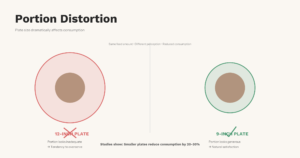
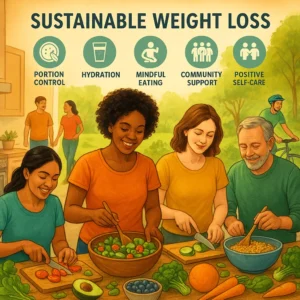
– **Practice Portion Control:** Serve reasonable portions to avoid overeating.
– **Limit Processed Foods:** Reduce high-calorie, low-nutrition foods like sugary snacks and sodas.
– **Mindful Eating:** Focus on your meals, eat slowly, and listen to hunger and fullness signals.
**Tip:** Avoid labeling foods as “bad.” Moderation helps prevent bingeing.
2. Is Regular Physical Activity Essential for Keeping Weight Off?
Yes. Physical activity supports weight maintenance, boosts metabolism, and helps build lean muscle.
**Recommended Strategies:**
– **Aerobic Exercise:** Aim for at least 150 minutes per week (e.g., brisk walking, cycling, swimming).
– **Strength Training:** Include resistance exercises 2+ times per week to preserve muscle mass.
– **Daily Movement:** Incorporate more steps, stretches, or active hobbies throughout the day.
**Key Entities:** Physical activity guidelines, NEAT (Non-Exercise Activity Thermogenesis), resistance training.
3. How Do Behavior Changes and Mindset Affect Weight Loss Maintenance?
Long-term change starts with your mindset and daily behaviors.
– **Set Realistic Goals:** Focus on gradual progress and achievable targets.
– **Track Progress:** Use journals or digital apps to monitor habits, meals, and activity.
– **Address Emotional Eating:** Identify triggers such as stress, boredom, or social situations. Seek healthier coping mechanisms.
– **Build a Support System:** Engage friends, family, or support groups for accountability.
**Entities Mentioned:** Cognitive behavioral therapy, self-monitoring, goal setting.
4. Are Sleep and Stress Management Important in Sustaining Weight Loss?
Absolutely. Lack of sleep and high stress can disrupt hormones that regulate appetite and metabolism.
| Factor | Impact on Weight | Recommended Actions |
|———————–|—————–|————————————|
| Sleep | Poor sleep increases hunger hormones (ghrelin), lowers satiety hormone (leptin), and disrupts metabolism. | Aim for 7-9 hours per night; maintain a sleep routine. |
| Stress | Chronic stress increases cortisol, leading to cravings and fat storage. | Practice relaxation, mindfulness, or yoga; seek support if needed. |
**Key Entities:** Cortisol, ghrelin, leptin, sleep hygiene.
5. Is Consistency More Important Than Perfection?
Yes, staying consistent with healthy habits—even if imperfect—is more effective than aiming for perfection and giving up when you slip. Sustainable weight loss is about persistence and flexibility, not rigid rules.
—
Table: Key Strategies for Sustainable Weight Loss and Prevention of Weight Regain
| Strategy | Example Action | Why It Helps |
|———————————|———————————-|———————————-|
| Balanced Nutrition | Plate half full of vegetables | Provides satiety, nutrients |
| Regular Exercise | Daily 30-min brisk walk | Increases calorie burn |
| Mindful Eating | No TV or phone at meals | Reduces overeating |
| Sleep Hygiene | 8 hours of sleep every night | Supports metabolism, reduces cravings |
| Stress Management | Meditation or journaling | Lowers emotional eating |
| Support/Accountability | Weight loss buddy or group | Encourages adherence |
| Self-Monitoring | Food diary tracking | Reveals patterns, progress |
—
What Are the Most Common Myths About Keeping Weight Off?
**Myth:** Crash diets are effective for long-term weight loss
**Fact:** Crash diets can harm metabolism and usually lead to weight regain.
**Myth:** You can lose weight for good by focusing only on calories
**Fact:** A holistic approach that includes behavior and lifestyle change is more effective.
—
Do Medications or Medical Interventions Help with Sustainable Weight Loss?
For some people with obesity or weight-related health issues, prescription medications or bariatric surgery may be recommended under medical supervision. These options work best when paired with healthy lifestyle habits and ongoing support.
**Entities:** GLP-1 agonists (like semaglutide), bariatric surgery, registered dietitian.
—
Question Variations: How Else Might People Ask This?
– “How do I lose weight and keep it off forever?”
– “What habits prevent regaining lost weight?”
– “Why do I always regain weight after dieting?”
– “How to maintain weight loss long-term?”
– “What’s the secret to permanent weight loss?”
—
Comprehensive FAQ: Sustainable Weight Loss
1. **What’s the best diet for sustainable weight loss?**
No single diet suits everyone. The best diet is one you can stick with long-term that emphasizes whole, unprocessed foods, balanced macronutrients, and flexibility.
2. **How fast should I lose weight to keep it off?**
Aim for a slow and steady rate—typically 0.5-2 pounds (0.2-0.9 kg) per week. Rapid weight loss often leads to muscle loss and higher chance of regaining weight.
3. **Can occasional treats fit into a sustainable weight loss plan?**
Yes! Allowing occasional favorites helps prevent feelings of deprivation and reduces the risk of bingeing.
4. **What role does meal planning play in sustainable weight loss?**
Meal planning helps you make healthier choices, control portions, and avoid last-minute unhealthy options.
5. **How important is hydration in weight management?**
Staying hydrated aids metabolism, helps control hunger, and supports overall health. Water is best.
6. **Do genetics impact long-term weight loss?**
Genetics can influence weight tendencies, but lifestyle choices and habits have a significant impact and can help mitigate genetic predispositions.
7. **Should I weigh myself daily?**
Frequent weigh-ins can help some people stay accountable, but focus on trends over time—not daily fluctuations—for realistic tracking.
—
Key Takeaways
– Sustainable weight loss rests on realistic, gradual changes to your eating, activity, sleep, and stress habits.
– Focusing on behaviors you can maintain is more important than following strict or short-term diets.
– Support systems and self-monitoring are powerful tools for lasting success.
– Permanent change comes from a holistic approach, combining nutrition, exercise, mindset, and self-care.
—
> **Tip:** If you’re struggling to keep weight off, a registered dietitian or healthcare provider can tailor an evidence-based plan for your needs.
“`