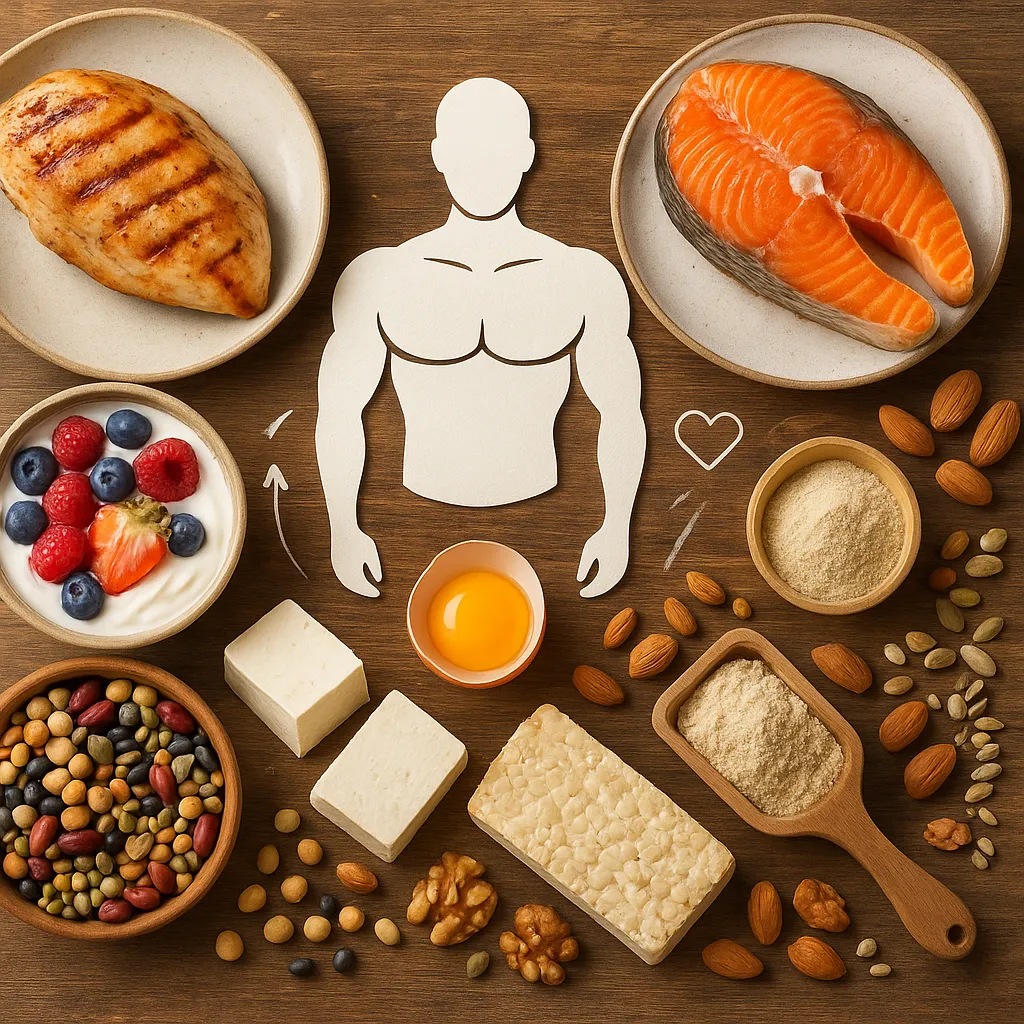
What are the Main Components of a High-Protein Diet and How Do They Support Muscle Growth and Overall Health?
A high-protein diet is built around foods rich in protein, such as lean meats, dairy, eggs, legumes, nuts, and protein supplements. These components provide essential amino acids that promote muscle growth, repair tissues, and contribute to overall health by supporting metabolism, immunity, and satiety.
—
What is a High-Protein Diet? (Definition Box)
A **high-protein diet** is a dietary approach where the proportion of calories from protein is significantly increased while moderating fats and carbohydrates. Typically, this means consuming at least 20–30% of daily calories from protein sources, compared to the standard 10–15%.
**Primary goal:** To provide the body with more amino acids for muscle maintenance, growth, and other vital functions.
—
What Are the Key Food Components of a High-Protein Diet?
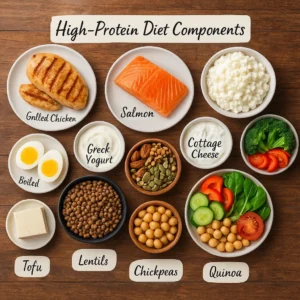
The main foods included in a high-protein diet are those naturally high in protein or formulated to boost protein intake. Here’s a breakdown:
1. Lean Meats
– **Chicken breast**
– **Turkey**
– **Lean cuts of beef** (sirloin, tenderloin)
– **Pork loin**
2. Fish and Seafood
– **Salmon**
– **Tuna**
– **Cod**
– **Shrimp**
3. Dairy Products
– **Greek yogurt**
– **Cottage cheese**
– **Milk**
– **Cheese**
4. Eggs
– Whole eggs
– Egg whites (for lower fat and calories)
5. Plant-Based Proteins
– **Legumes:** Beans, lentils, chickpeas
– **Tofu, tempeh, seitan**
– **Quinoa**
– **Edamame**
6. Nuts and Seeds
– **Almonds**
– **Pumpkin seeds**
– **Chia seeds**
– **Peanuts**
7. Protein Supplements
– **Whey protein**
– **Casein protein**
– **Plant-based protein powders** (pea, rice, soy)
—
How Do High-Protein Foods Support Muscle Growth?
High-protein foods deliver essential amino acids, particularly branched-chain amino acids (BCAAs) like leucine, isoleucine, and valine, which are directly linked to muscle protein synthesis.
Protein’s Role in Muscle Building
1. **Supplies Building Blocks:** Amino acids help repair and build new muscle fibers after exercise.
2. **Promotes Recovery:** Faster repair time translates to better recovery and muscle growth.
3. **Stimulates Growth Hormones:** Adequate protein can boost the release of hormones like IGF-1 that aid muscle development.
Key Related Entities:
– **Amino acids:** The fundamental units of proteins
– **Muscle protein synthesis:** The biological process of building muscle
– **Resistance training:** Exercise that pairs effectively with high-protein diets for muscle growth
—
How Does a High-Protein Diet Benefit Overall Health?
High-protein diets support more than just muscle growth. Here’s how they impact general wellness:
Satiety and Weight Management
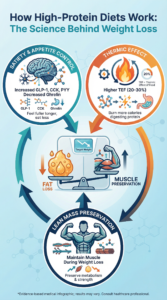
– **Increased Fullness:** Protein-rich foods reduce hunger hormones (ghrelin) and increase satiety hormones (peptide YY), leading to reduced calorie intake.
– **Thermic Effect:** Protein digestion burns more calories compared to carbs or fats, aiding weight control.
Metabolism and Fat Loss
– **Boosted Metabolism:** Higher protein intake can increase basal metabolic rate due to the thermic effect and greater lean mass.
– **Fat Loss:** Helps preserve muscle during calorie deficits, ensuring most weight lost is from fat, not muscle.
Blood Sugar and Heart Health
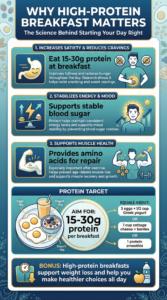
– **Stabilized Blood Sugar:** Slower digestion of protein prevents rapid spikes and drops in blood glucose.
– **Improved Lipid Profiles:** Lean protein sources, especially fish, can lower LDL cholesterol and triglycerides.
Immune Function and Healing
– **Supports Immunity:** Amino acids are needed for the synthesis of antibodies and immune cells.
– **Aids Healing:** Critical for wound repair and recovery from illness or surgery.
—
What Are Common Variations of This Question?
– What foods should be eaten on a high-protein diet?
– How does protein intake affect muscle growth and health?
– Which nutrients are crucial in a protein-rich diet plan?
– Why do athletes follow high-protein diets?
– How does protein benefit everyday health and weight loss?
—
High-Protein Food Sources Table
| Food Category | Example Foods | Protein per Serving (approx.) | Key Amino Acids |
|—————-|————————|———————————-|———————-|
| Lean Meats | Chicken breast | ~26g per 100g | Leucine, Lysine |
| Fish/Seafood | Tuna, salmon | ~22g per 100g | Isoleucine, Methionine|
| Dairy | Greek yogurt | ~10g per 100g | Threonine, Valine |
| Eggs | Whole egg | ~6g per egg | Leucine, Phenylalanine|
| Legumes | Lentils, beans | ~9g per 100g (cooked) | Lysine, Histidine |
| Nuts/Seeds | Peanuts, chia seeds | ~5-8g per 30g | Arginine, Glutamine |
| Supplements | Whey protein powder | ~20-25g per scoop (30g) | Complete spectrum |
—
What Are the Best Practices for Starting a High-Protein Diet?
1. Assess Your Protein Needs
– Most people need 1.2–2.2g protein per kg of body weight (athletes may need more).
2. Plan Balanced Meals
– Include a source of protein in every meal and snack to evenly distribute intake.
3. Diversify Protein Sources
– Use both animal-based and plant-based proteins for a broad amino acid profile.
4. Monitor Hydration
– Increased protein can put extra load on kidneys; drink plenty of water.
5. Consult Professionals
– Dietitians or nutritionists can help tailor protein needs to health goals and medical conditions.
—
How Does a High-Protein Diet Compare to Other Diets?
| Diet Type | Main Focus | Protein Intake | Key Benefits |
|——————|————————-|——————|———————————————–|
| High-Protein | Increased protein | 20-35%+ calories | Muscle support, satiety, metabolism |
| Low-Carb/Keto | Very low carbs | Moderate-high | Fat loss, ketone production |
| Mediterranean | Healthy fats, produce | Moderate | Heart health, balanced nutrition |
| Vegetarian/Vegan | Plant foods, no/little animal | Varies | Ethical, environmental, heart health |
—
Frequently Asked Questions (FAQ)
1. How much protein should I eat daily for muscle growth?
Most active adults aiming for muscle growth should consume 1.6–2.2 grams of protein per kg of body weight per day. Exact needs vary based on training, age, and goals.
2. Can you get enough protein from a vegetarian or vegan diet?
Yes. By combining plant proteins like beans, lentils, tofu, tempeh, quinoa, and nuts, vegetarians and vegans can meet their protein and amino acid requirements.
3. Is there a risk to eating a high-protein diet?
High-protein diets are generally safe for healthy individuals, but those with kidney disease or certain metabolic disorders should consult a healthcare provider first.
4. Does timing of protein intake matter?
Consuming protein evenly throughout the day, including after workouts, can maximize muscle protein synthesis and recovery.
5. What are the best high-protein snacks?
Greek yogurt, hard-boiled eggs, cottage cheese, protein shakes, roasted chickpeas, and nut butter are convenient high-protein snacks.
6. Will eating more protein make me bulky?
Protein supports muscle growth, but significant muscle gain requires consistent resistance training; higher protein alone won’t lead to bulkiness.
7. How can protein help with weight loss?
Protein increases satiety, boosts metabolism, and helps preserve lean muscle during calorie restriction, making it effective for weight management.
—
Key Takeaways
– **Main Components:** Lean meats, fish, dairy, eggs, legumes, nuts, seeds, and protein supplements provide high-quality protein.
– **Muscle Support:** Amino acids from these foods are essential for muscle repair, growth, and function.
– **Overall Health:** High-protein diets help with weight control, metabolism, blood sugar, heart health, immunity, and more.
– **Customization:** Protein needs and best food sources vary; consult a nutrition professional for personalized advice.
**For further reading:** Explore resources by the [Academy of Nutrition and Dietetics](https://www.eatright.org/) or consult with a registered dietitian for individualized guidance.
—
“`